
Understanding Oil Heating Mold Temperature Units: A Guide for Industrial Applications
Feb 14,2026
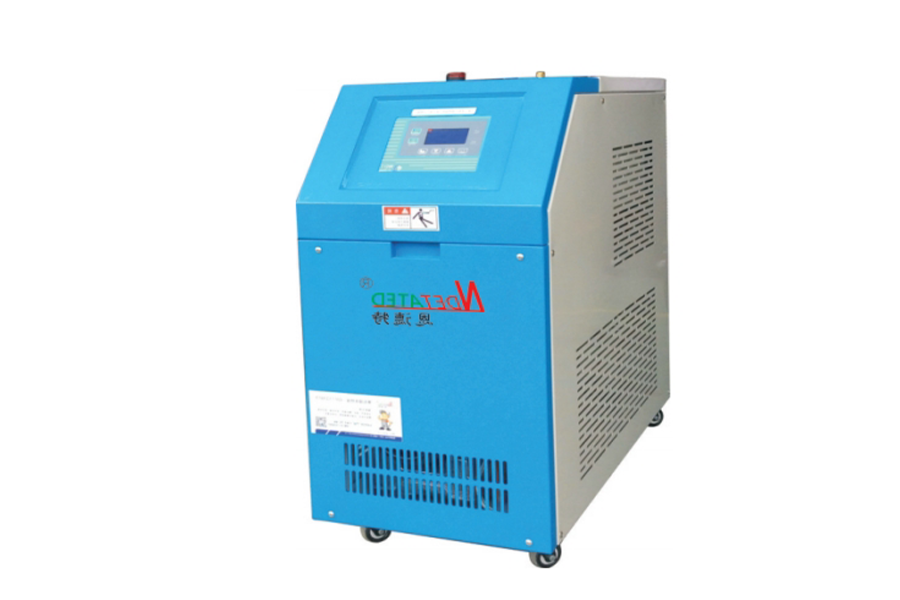
Oil heating mold temperature units play a crucial role in various industrial applications, especially in processes that involve molding materials such as plastics and metals. Understanding how these units function can help manufacturers optimize their production lines and improve product quality.
At their core, oil heating mold temperature units are designed to maintain consistent temperatures within molds during the manufacturing process. This is vital because temperature fluctuations can lead to defects in the finished product, such as warping, improper curing, or suboptimal surface finishes. By providing precise temperature control, these units help ensure that materials solidify correctly, resulting in products that meet stringent quality standards.
The operation of an oil heating mold temperature unit typically involves the circulation of heated oil through channels in the mold. This oil is heated to a specified temperature, which is then transferred to the mold material. The use of oil as a heat transfer medium is particularly advantageous due to its high heat capacity and stability. Unlike water, oil can operate at higher temperatures without the risk of vaporization, making it ideal for high-temperature applications.
One of the key benefits of using oil heating mold temperature units is their ability to provide rapid temperature changes. This capability is particularly valuable in processes that require quick cycle times, allowing manufacturers to increase productivity without sacrificing quality. Furthermore, the efficient heat transfer provided by oil heating units can lead to reduced energy consumption, translating to cost savings over time.
In addition to their efficiency and temperature control, oil heating mold temperature units also contribute to the safety of industrial operations. The design of these units minimizes the risk of leaks or spills, ensuring a safe working environment for operators. Regular maintenance and monitoring are essential, however, to ensure that the units continue to operate effectively and safely.
Overall, the integration of oil heating mold temperature units into manufacturing processes can yield significant advantages. By maintaining optimal temperatures, these units enhance product consistency and quality, reduce energy usage, and improve overall operational efficiency. For industries involved in molding applications, investing in a reliable oil heating mold temperature unit can be a game changer, leading to better products and increased competitiveness in the market.
In summary, understanding the function and benefits of oil heating mold temperature units is essential for manufacturers looking to optimize their production processes. By harnessing this technology, companies can ensure high-quality outputs while maintaining efficiency and safety in their operations.
At their core, oil heating mold temperature units are designed to maintain consistent temperatures within molds during the manufacturing process. This is vital because temperature fluctuations can lead to defects in the finished product, such as warping, improper curing, or suboptimal surface finishes. By providing precise temperature control, these units help ensure that materials solidify correctly, resulting in products that meet stringent quality standards.
The operation of an oil heating mold temperature unit typically involves the circulation of heated oil through channels in the mold. This oil is heated to a specified temperature, which is then transferred to the mold material. The use of oil as a heat transfer medium is particularly advantageous due to its high heat capacity and stability. Unlike water, oil can operate at higher temperatures without the risk of vaporization, making it ideal for high-temperature applications.
One of the key benefits of using oil heating mold temperature units is their ability to provide rapid temperature changes. This capability is particularly valuable in processes that require quick cycle times, allowing manufacturers to increase productivity without sacrificing quality. Furthermore, the efficient heat transfer provided by oil heating units can lead to reduced energy consumption, translating to cost savings over time.
In addition to their efficiency and temperature control, oil heating mold temperature units also contribute to the safety of industrial operations. The design of these units minimizes the risk of leaks or spills, ensuring a safe working environment for operators. Regular maintenance and monitoring are essential, however, to ensure that the units continue to operate effectively and safely.
Overall, the integration of oil heating mold temperature units into manufacturing processes can yield significant advantages. By maintaining optimal temperatures, these units enhance product consistency and quality, reduce energy usage, and improve overall operational efficiency. For industries involved in molding applications, investing in a reliable oil heating mold temperature unit can be a game changer, leading to better products and increased competitiveness in the market.
In summary, understanding the function and benefits of oil heating mold temperature units is essential for manufacturers looking to optimize their production processes. By harnessing this technology, companies can ensure high-quality outputs while maintaining efficiency and safety in their operations.
Hot Tags:
Contact Us
E-mail:
celine@jsntp.com
Phone:
86-18913523538
Address:
Building 3, Wanyang Zhongchuang City, No. 99 Hongfu Road, Libao Town, Hai'an City, Nantong City, Jiangsu Province
Contact Information
Phone: 8618550003508
Add: Building 3, Wanyang Zhongchuang City, No. 99 Hongfu Road, Libao Town, Hai'an City, Nantong City, Jiangsu Province

Request Quote