
Enhancing Efficiency with Water/Oil Dual Mold Temperature Controllers for Industrial Applications
Feb 09,2026
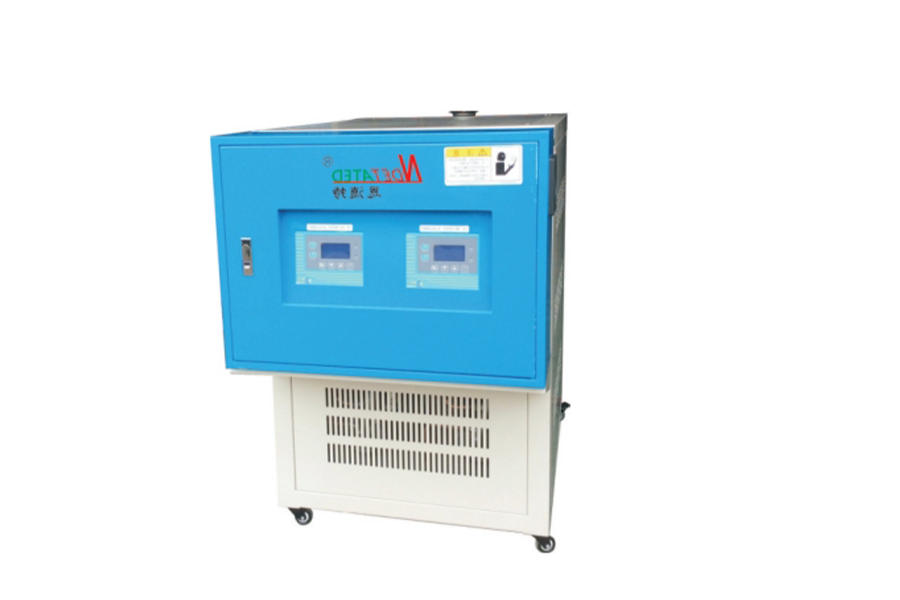
Enhancing Efficiency with Water/Oil Dual Mold Temperature Controllers for Industrial Applications
Table of Contents
- 1. Introduction to Dual Mold Temperature Controllers
- 2. What is a Water/Oil Dual Mold Temperature Controller?
- 3. How Does a Water/Oil Dual Mold Temperature Controller Work?
- 4. Benefits of Using Water/Oil Dual Mold Temperature Controllers
- 5. Applications in Industrial Processes
- 6. Choosing the Right Water/Oil Dual Mold Temperature Controller
- 7. Maintenance and Care for Optimal Performance
- 8. The Future of Temperature Control in Industrial Applications
- 9. Frequently Asked Questions
- 10. Conclusion
1. Introduction to Dual Mold Temperature Controllers
In today’s competitive industrial landscape, ensuring efficiency is paramount. Water/oil dual mold temperature controllers have emerged as critical components in optimizing the temperature of molds used in various manufacturing processes. These sophisticated devices maintain precise thermal conditions, essential for producing high-quality products while minimizing energy consumption. This article will explore the functionality, advantages, and applications of these controllers, illustrating their importance in modern industrial settings.
2. What is a Water/Oil Dual Mold Temperature Controller?
A **water/oil dual mold temperature controller** is an advanced device designed to regulate the temperature of molds in manufacturing processes. Unlike traditional temperature controllers that use either water or oil, these dual systems utilize both fluids, enabling greater flexibility and efficiency.
Understanding the Components
The primary components of a dual mold temperature controller include:
- **Heating Elements**: Responsible for raising the temperature of the fluid within the system.
- **Cooling Elements**: Designed to dissipate heat and maintain the desired temperature.
- **Pumps**: Facilitate the circulation of water and oil through the system.
- **Control Unit**: Monitors and adjusts the temperature to ensure optimal performance.
3. How Does a Water/Oil Dual Mold Temperature Controller Work?
The operation of a water/oil dual mold temperature controller involves a seamless integration of heating and cooling functionalities. Here’s a breakdown of the process:
Fluid Circulation
The controller utilizes pumps to circulate water and oil through the mold system. Water is often used for its excellent heat transfer properties, while oil provides higher temperature stability.
Temperature Regulation
The control unit continuously monitors the temperature within the mold. When the temperature deviates from the set point, the controller activates either the heating or cooling elements, adjusting the fluid flow to maintain the desired thermal conditions.
Feedback Mechanism
The feedback mechanism ensures that the temperature control is precise, allowing for rapid adjustments that enhance the efficiency of the production process.
4. Benefits of Using Water/Oil Dual Mold Temperature Controllers
Implementing water/oil dual mold temperature controllers offers numerous advantages:
Enhanced Efficiency
These controllers significantly improve energy efficiency by optimizing temperature control, reducing the overall energy consumption in production processes.
Improved Product Quality
Maintaining precise temperature regulation ensures consistent product quality. This is critical in industries where slight temperature variations can lead to defects or inconsistencies.
Versatility
The ability to use both water and oil allows for a broader range of applications, making these controllers suitable for various materials and processes.
Cost Savings
By enhancing efficiency and product quality, these controllers contribute to substantial cost savings in the long run. Reduced energy consumption and fewer defects translate to lower operational costs.
5. Applications in Industrial Processes
Water/oil dual mold temperature controllers are widely used across multiple industries, including:
Plastics Manufacturing
In plastics production, precise temperature control is essential for molding processes. These controllers ensure that molds remain at optimal temperatures, preventing warping and defects.
Die Casting
In die casting, maintaining the correct mold temperature is crucial for achieving the desired material properties. Dual controllers improve cycle times and reduce scrap rates.
Food Processing
In food processing, temperature control ensures product safety and quality. Dual mold temperature controllers help maintain consistent cooking and cooling temperatures.
Pharmaceutical Manufacturing
In the pharmaceutical industry, precise temperature control is vital for ensuring the efficacy and safety of products. These controllers help maintain optimal conditions for drug formulation and packaging.
6. Choosing the Right Water/Oil Dual Mold Temperature Controller
Selecting the appropriate dual mold temperature controller involves considering several key factors:
Process Requirements
Evaluate the specific temperature ranges required for your processes. Different controllers offer varying capabilities, so ensure the one you choose aligns with your needs.
Fluid Compatibility
Ensure that the materials used in the controller are compatible with the fluids employed in your processes, be it water, oil, or other substances.
Control Precision
Look for models that offer precise control and feedback mechanisms. This ensures your processes remain consistent and high-quality.
Energy Efficiency
Assess the energy consumption of the controller. Opt for models that are designed to be energy-efficient, reducing operational costs.
7. Maintenance and Care for Optimal Performance
Regular maintenance of water/oil dual mold temperature controllers is essential for ensuring their longevity and optimal performance.
Routine Checks
Conduct routine checks of the fluid levels, pumps, and heating/cooling elements. This will help identify potential issues before they escalate.
Fluid Replacement
Regularly replace the fluids used in the controllers to prevent contamination and ensure effective heat transfer.
Calibration
Regular calibration of the control unit is necessary to maintain accurate temperature settings and ensure consistent performance.
8. The Future of Temperature Control in Industrial Applications
The future of temperature control technology is set to advance significantly, with innovations in automation and data analytics. Intelligent temperature controllers that integrate IoT technology will enable real-time monitoring and adjustments, enhancing efficiency even further.
Sustainability Considerations
As industries move toward more sustainable practices, the development of eco-friendly temperature control systems will become increasingly important. Future technologies may focus on reducing energy consumption and improving resource efficiency.
9. Frequently Asked Questions
What is the primary advantage of using a dual mold temperature controller?
The primary advantage is enhanced efficiency, which leads to improved product quality and reduced energy consumption.
Can dual mold temperature controllers be used in any industry?
Yes, they are versatile and can be applied across various industries, including plastics, pharmaceuticals, food processing, and die casting.
How do I maintain my dual mold temperature controller?
Regular maintenance includes checking fluid levels, replacing fluids, and calibrating the control unit to ensure optimal performance.
What temperature ranges can dual mold temperature controllers handle?
They can handle a wide range of temperatures, depending on the specific model and design, making them suitable for various applications.
Are there any energy-efficient options available?
Yes, many manufacturers offer energy-efficient models designed to reduce operational costs and environmental impact.
10. Conclusion
Water/oil dual mold temperature controllers represent a significant advancement in temperature control technology for industrial applications. By offering enhanced efficiency, improved product quality, and versatility, these devices are essential for modern manufacturing processes. As industries continue to evolve, investing in such innovative solutions will play a vital role in achieving operational excellence and sustainability. Embracing these technologies will not only streamline production but also set a foundation for future advancements in temperature control.
Hot Tags:
Contact Us
E-mail:
celine@jsntp.com
Phone:
86-18913523538
Address:
Building 3, Wanyang Zhongchuang City, No. 99 Hongfu Road, Libao Town, Hai'an City, Nantong City, Jiangsu Province
Contact Information
Phone: 8618550003508
Add: Building 3, Wanyang Zhongchuang City, No. 99 Hongfu Road, Libao Town, Hai'an City, Nantong City, Jiangsu Province

Request Quote