
Maximize Your Cooling Efficiency with Energy Efficient Air Cooled Chillers
Jan 30,2026
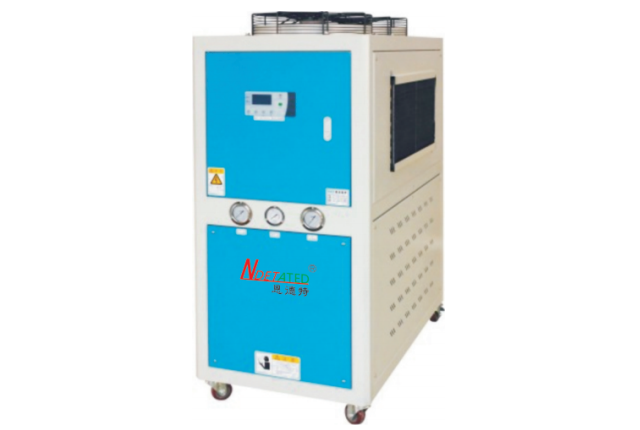
Maximize Your Cooling Efficiency with Energy Efficient Air Cooled Chillers
Table of Contents
- 1. Introduction to Air Cooled Chillers
- 2. What Are Air Cooled Chillers?
- 3. Advantages of Using Air Cooled Chillers
- 4. How Do Air Cooled Chillers Work?
- 5. Energy Efficiency in Air Cooled Chillers
- 6. Tips for Optimizing Cooling Efficiency
- 7. Maintenance Tips for Air Cooled Chillers
- 8. Common Issues and Solutions
- 9. Conclusion
- 10. Frequently Asked Questions
1. Introduction to Air Cooled Chillers
In today's rapidly evolving industrial landscape, cooling systems play a critical role in maintaining operational efficiency. Among these systems, air-cooled chillers have gained prominence due to their **energy efficiency** and **reliability**. Understanding how to maximize their effectiveness is essential for any facility aiming to reduce energy consumption and lower operational costs.
2. What Are Air Cooled Chillers?
Air-cooled chillers are refrigeration devices that utilize ambient air to dissipate heat from a refrigerant. Unlike water-cooled chillers, which require a constant supply of water, air-cooled chillers are designed to operate efficiently in environments where water availability is limited or where simplicity is key. Often used in commercial buildings, manufacturing plants, and processing facilities, these chillers are essential for regulating temperature in various applications.
3. Advantages of Using Air Cooled Chillers
Air-cooled chillers offer numerous advantages that make them an attractive option for many industries. Some of these benefits include:
3.1 Cost-Effectiveness
The initial investment for air-cooled chillers is generally lower compared to water-cooled systems. This cost-effectiveness extends to installation, as they require less infrastructure and maintenance.
3.2 Reduced Water Usage
In regions where water is scarce, air-cooled chillers provide a sustainable alternative. They operate without the need for significant water resources, making them environmentally friendly.
3.3 Simplified Maintenance
Air-cooled systems are easier to maintain due to their design. They do not require cooling towers or extensive piping systems, reducing the complexity of maintenance procedures.
3.4 Versatility
These chillers can be used in various applications, from industrial processes to comfort cooling, making them a versatile choice for multiple sectors.
4. How Do Air Cooled Chillers Work?
Understanding the working mechanism of air-cooled chillers is pivotal for maximizing their efficiency. Here’s a detailed breakdown of the process:
4.1 Refrigeration Cycle
Air-cooled chillers operate on the refrigeration cycle, which includes four main components: the compressor, condenser, expansion valve, and evaporator.
4.2 Heat Exchange Process
The refrigerant absorbs heat from the water being cooled inside the evaporator. The compressor then compresses this refrigerant, raising its temperature and pressure before it travels to the condenser, where it releases heat to the surrounding air.
4.3 Air Dissipation
The condenser utilizes fan systems to dissipate the heat from the refrigerant into the air. This process cools the refrigerant, allowing it to return to the evaporator and repeat the cycle.
5. Energy Efficiency in Air Cooled Chillers
Maximizing energy efficiency in air-cooled chillers is crucial for reducing operational costs and enhancing sustainability. Several factors contribute to the energy efficiency of these systems:
5.1 EER and IPLV Ratings
Energy Efficiency Ratio (EER) and Integrated Part Load Value (IPLV) are critical metrics used to evaluate the efficiency of chillers. A higher rating indicates better efficiency, helping facilities select the most effective unit.
5.2 Variable Frequency Drives (VFDs)
Incorporating VFDs allows the chiller to adjust its operating speed based on the cooling demand, significantly improving energy efficiency.
5.3 Smart Controls and Automation
Advancements in smart technology have enabled the integration of automation systems that optimize chiller operation, ensuring they only work as hard as necessary to meet cooling loads.
6. Tips for Optimizing Cooling Efficiency
To maximize the cooling efficiency of air-cooled chillers, consider the following strategies:
6.1 Proper Sizing of Chillers
Selecting the right size chiller is crucial. An oversized unit will cycle on and off frequently, leading to inefficiencies, while an undersized unit will struggle to maintain the desired temperature.
6.2 Regular Maintenance
Routine maintenance, including cleaning coils, checking refrigerant levels, and ensuring proper airflow, is essential for optimal performance.
6.3 Airflow Management
Ensuring that the condenser fans have adequate airflow and are not obstructed by dirt or debris can enhance efficiency. Additionally, utilizing proper ductwork can optimize the air distribution.
6.4 Insulation and Temperature Control
Improving insulation around pipes and using temperature control strategies can reduce the workload of the chiller, thereby enhancing its efficiency.
7. Maintenance Tips for Air Cooled Chillers
To ensure long-lasting performance and efficiency, regular maintenance is paramount. Here are some maintenance tips:
7.1 Regular Inspections
Conduct regular inspections to identify potential issues before they escalate. Look for leaks, corrosion, and wear and tear on components.
7.2 Coil Cleaning
Clean condenser and evaporator coils regularly to ensure optimal heat exchange. Dirty coils can lead to increased energy consumption and reduced efficiency.
7.3 Refrigerant Monitoring
Check refrigerant levels periodically and ensure there are no leaks. Proper refrigerant levels are essential for maintaining efficiency.
7.4 Lubrication of Moving Parts
Regularly lubricate moving parts, such as fans and motor bearings, to prevent wear and tear and ensure smooth operation.
8. Common Issues and Solutions
Even with proper maintenance, air-cooled chillers can encounter issues. Here are some common problems and their solutions:
8.1 High Energy Bills
If energy costs are rising unexpectedly, it may indicate inefficiencies. Check for dirty coils, inadequate airflow, or malfunctioning components.
8.2 Inconsistent Cooling
Inconsistent cooling can stem from improper sizing or malfunctioning sensors. Ensure that the system is appropriately sized and that sensors are calibrated correctly.
8.3 Excessive Noise
Unusual noises may signal mechanical issues. Inspect the fans and compressors for any signs of damage or wear.
9. Conclusion
Maximizing cooling efficiency with energy-efficient air-cooled chillers is not just a goal; it’s a necessity for modern industrial operations. By understanding their operation, recognizing the benefits, and implementing best practices for optimization and maintenance, facilities can not only reduce their energy costs but also contribute to a more sustainable future. Investing in air-cooled chillers is an investment in efficiency, reliability, and long-term operational success.
10. Frequently Asked Questions
10.1 What is the lifespan of an air-cooled chiller?
The average lifespan of an air-cooled chiller is about 15-20 years, depending on maintenance and usage.
10.2 How do I know if my chiller is energy-efficient?
Check the EER and IPLV ratings; higher ratings indicate better energy efficiency.
10.3 Can air-cooled chillers operate in extreme temperatures?
Yes, air-cooled chillers are designed to operate effectively in a range of temperatures, but performance may vary based on environmental conditions.
10.4 What maintenance tasks should I perform monthly?
Monthly tasks should include checking refrigerant levels, inspecting fans, and cleaning the coils.
10.5 Are there government incentives for using energy-efficient chillers?
Many governments offer incentives for energy-efficient equipment. Check local programs for eligibility and benefits.
Maximizing efficiency in air-cooled chillers not only ensures reduced costs but also promotes sustainable practices, making it imperative for industries to invest in energy-efficient technologies.
Hot Tags:
Contact Us
E-mail:
celine@jsntp.com
Phone:
86-18913523538
Address:
Building 3, Wanyang Zhongchuang City, No. 99 Hongfu Road, Libao Town, Hai'an City, Nantong City, Jiangsu Province
Contact Information
Phone: 8618550003508
Add: Building 3, Wanyang Zhongchuang City, No. 99 Hongfu Road, Libao Town, Hai'an City, Nantong City, Jiangsu Province

Request Quote