
Enhancing Efficiency with Compact Mold Temperature Controller Units
Jan 25,2026
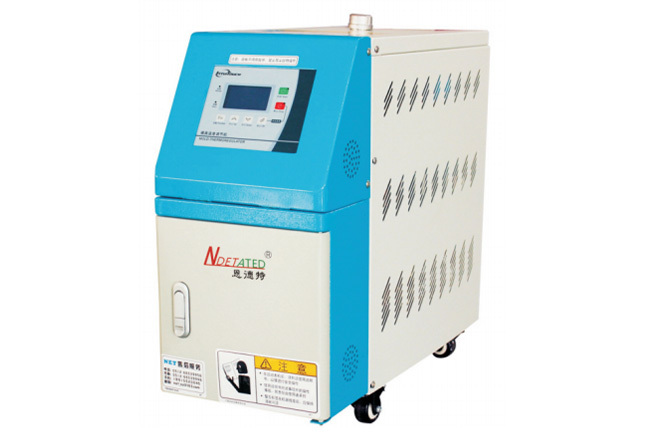
In the realm of industrial equipment, particularly in cooling systems, the compact mold temperature controller unit has emerged as a vital component for enhancing operational efficiency. These units are designed to maintain precise temperature control within molds during the manufacturing process, which is critical for ensuring the integrity and quality of the final product.
A compact mold temperature controller unit operates through a sophisticated system that regulates the temperature of the molds used in processes such as injection molding, blow molding, or die-casting. By maintaining a stable temperature, these units help in achieving uniform cooling or heating of the material, which in turn reduces the risk of defects and improves cycle times. This is particularly important in industries where precision is paramount, such as automotive, consumer goods, and electronics manufacturing.
One of the key advantages of using a compact mold temperature controller unit is its space-saving design. These units are specifically engineered to fit into limited spaces without compromising on performance. This is particularly beneficial for manufacturers who may operate in facilities where floor space is at a premium. The compact size does not detract from its functionality, as these units are equipped with advanced features that ensure accurate temperature regulation and quick response times.
Additionally, the efficiency of a compact mold temperature controller unit contributes to energy savings in industrial operations. By optimizing the temperature control process, manufacturers can minimize energy consumption and reduce operational costs. This is an essential consideration for companies looking to enhance their sustainability practices while maintaining productivity.
Furthermore, many compact mold temperature controller units come with user-friendly interfaces that allow operators to easily monitor and adjust settings as needed. This ease of use reduces the likelihood of human error and increases overall operational efficiency. Moreover, some units offer data logging capabilities, enabling manufacturers to track temperature trends over time and make informed decisions about their processes.
Investing in a compact mold temperature controller unit can translate to improved product quality and reduced waste. By ensuring that molds are consistently maintained at the optimal temperature, manufacturers can achieve better surface finishes, dimensional accuracy, and overall product reliability. This not only meets customer expectations but also enhances the manufacturer’s reputation in a competitive market.
In conclusion, the compact mold temperature controller unit is an essential tool for manufacturers seeking to optimize their processes and improve product quality. With their space-efficient design, energy efficiency, and advanced control features, these units provide significant advantages that can lead to increased productivity and profitability in the industrial equipment sector.
A compact mold temperature controller unit operates through a sophisticated system that regulates the temperature of the molds used in processes such as injection molding, blow molding, or die-casting. By maintaining a stable temperature, these units help in achieving uniform cooling or heating of the material, which in turn reduces the risk of defects and improves cycle times. This is particularly important in industries where precision is paramount, such as automotive, consumer goods, and electronics manufacturing.
One of the key advantages of using a compact mold temperature controller unit is its space-saving design. These units are specifically engineered to fit into limited spaces without compromising on performance. This is particularly beneficial for manufacturers who may operate in facilities where floor space is at a premium. The compact size does not detract from its functionality, as these units are equipped with advanced features that ensure accurate temperature regulation and quick response times.
Additionally, the efficiency of a compact mold temperature controller unit contributes to energy savings in industrial operations. By optimizing the temperature control process, manufacturers can minimize energy consumption and reduce operational costs. This is an essential consideration for companies looking to enhance their sustainability practices while maintaining productivity.
Furthermore, many compact mold temperature controller units come with user-friendly interfaces that allow operators to easily monitor and adjust settings as needed. This ease of use reduces the likelihood of human error and increases overall operational efficiency. Moreover, some units offer data logging capabilities, enabling manufacturers to track temperature trends over time and make informed decisions about their processes.
Investing in a compact mold temperature controller unit can translate to improved product quality and reduced waste. By ensuring that molds are consistently maintained at the optimal temperature, manufacturers can achieve better surface finishes, dimensional accuracy, and overall product reliability. This not only meets customer expectations but also enhances the manufacturer’s reputation in a competitive market.
In conclusion, the compact mold temperature controller unit is an essential tool for manufacturers seeking to optimize their processes and improve product quality. With their space-efficient design, energy efficiency, and advanced control features, these units provide significant advantages that can lead to increased productivity and profitability in the industrial equipment sector.
Hot Tags:
Contact Us
E-mail:
celine@jsntp.com
Phone:
86-18913523538
Address:
Building 3, Wanyang Zhongchuang City, No. 99 Hongfu Road, Libao Town, Hai'an City, Nantong City, Jiangsu Province
Contact Information
Phone: 8618550003508
Add: Building 3, Wanyang Zhongchuang City, No. 99 Hongfu Road, Libao Town, Hai'an City, Nantong City, Jiangsu Province

Request Quote