
The Essential Guide to High Temperature Mold Temperature Controllers in Construction and Decoration
Dec 06,2025
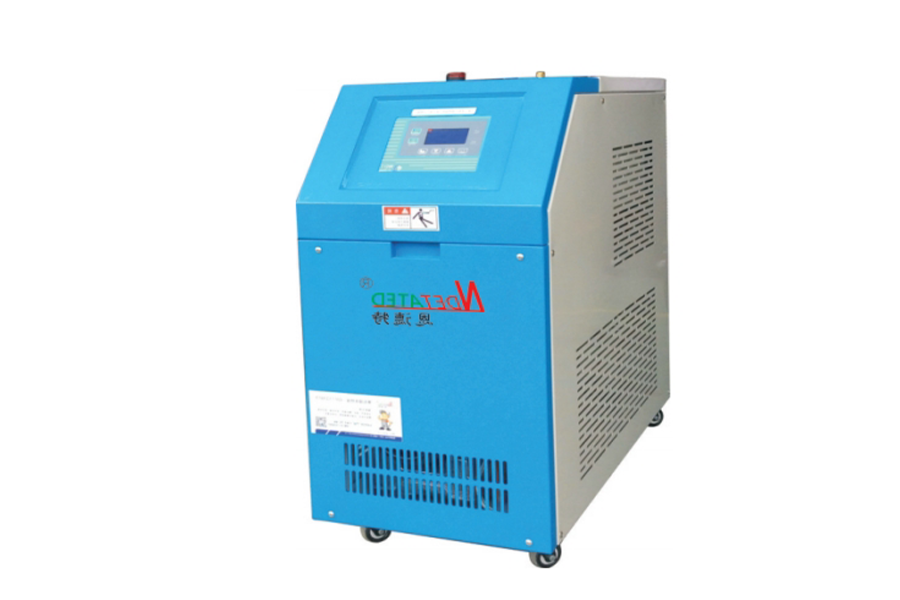
In the construction and decoration materials sector, maintaining optimal temperature control throughout the manufacturing process is crucial. High temperature mold temperature controllers (HTMTC) play a significant role in this regard, particularly in applications involving thermoplastic materials and certain composites. Understanding how these controllers operate and their benefits can greatly enhance both product quality and operational efficiency.
High temperature mold temperature controllers are specialized devices designed to manage the temperature of molds during the production of various materials. These controllers ensure that the mold reaches the desired temperature quickly and maintains it consistently throughout the process. This is especially important in manufacturing environments where temperature fluctuations can lead to defects in the final product, including warping, irregularities in surface finish, and compromised mechanical properties.
One of the primary advantages of using high temperature mold temperature controllers is their ability to provide precise temperature management. Many HTMTCs are equipped with advanced algorithms and sensors that allow for real-time monitoring and adjustment of mold temperature. This level of precision ensures that the material being molded is subjected to the optimal conditions needed for effective processing, enhancing the overall quality of the end product.
Moreover, high temperature mold temperature controllers contribute to energy efficiency in manufacturing operations. By maintaining consistent temperatures and reducing the time it takes to heat and cool the molds, these controllers can lower energy consumption significantly. This not only benefits the environment by minimizing the carbon footprint of production but also translates into cost savings for manufacturers.
In addition to these operational benefits, high temperature mold temperature controllers can also improve safety in the workplace. By automating temperature management, these systems reduce the need for manual monitoring and intervention, thereby minimizing the risk of accidents related to overheating or improper handling of materials.
Choosing the right high temperature mold temperature controller involves considering several factors, including the maximum operating temperature required for specific applications, the compatibility with various materials, and the level of automation desired. Investing in a reliable HTMTC can significantly enhance production processes in the construction and decoration materials sector, leading to higher quality products and improved operational effectiveness.
In conclusion, high temperature mold temperature controllers are an essential tool in the manufacturing of construction and decoration materials. Their ability to maintain precise temperature control, improve energy efficiency, and enhance workplace safety makes them invaluable in today’s competitive market. Understanding their significance and functionality can provide industry professionals with the insights necessary to optimize production and deliver superior products.
High temperature mold temperature controllers are specialized devices designed to manage the temperature of molds during the production of various materials. These controllers ensure that the mold reaches the desired temperature quickly and maintains it consistently throughout the process. This is especially important in manufacturing environments where temperature fluctuations can lead to defects in the final product, including warping, irregularities in surface finish, and compromised mechanical properties.
One of the primary advantages of using high temperature mold temperature controllers is their ability to provide precise temperature management. Many HTMTCs are equipped with advanced algorithms and sensors that allow for real-time monitoring and adjustment of mold temperature. This level of precision ensures that the material being molded is subjected to the optimal conditions needed for effective processing, enhancing the overall quality of the end product.
Moreover, high temperature mold temperature controllers contribute to energy efficiency in manufacturing operations. By maintaining consistent temperatures and reducing the time it takes to heat and cool the molds, these controllers can lower energy consumption significantly. This not only benefits the environment by minimizing the carbon footprint of production but also translates into cost savings for manufacturers.
In addition to these operational benefits, high temperature mold temperature controllers can also improve safety in the workplace. By automating temperature management, these systems reduce the need for manual monitoring and intervention, thereby minimizing the risk of accidents related to overheating or improper handling of materials.
Choosing the right high temperature mold temperature controller involves considering several factors, including the maximum operating temperature required for specific applications, the compatibility with various materials, and the level of automation desired. Investing in a reliable HTMTC can significantly enhance production processes in the construction and decoration materials sector, leading to higher quality products and improved operational effectiveness.
In conclusion, high temperature mold temperature controllers are an essential tool in the manufacturing of construction and decoration materials. Their ability to maintain precise temperature control, improve energy efficiency, and enhance workplace safety makes them invaluable in today’s competitive market. Understanding their significance and functionality can provide industry professionals with the insights necessary to optimize production and deliver superior products.
Hot Tags:

Contact Us
E-mail:
18550003508@163.com
Phone:
86-18550003508
Address:
Building 3, Wanyang Zhongchuang City, No. 99 Hongfu Road, Libao Town, Hai'an City, Nantong City, Jiangsu Province
Contact Information
Phone: 8618550003508
E-Mail: 18550003508@163.com
Add: Building 3, Wanyang Zhongchuang City, No. 99 Hongfu Road, Libao Town, Hai'an City, Nantong City, Jiangsu Province

Request Quote