
Understanding the Role of High Temp Oil Mold Temperature Controllers in Manufacturing
Dec 01,2025

Understanding the Role of High Temp Oil Mold Temperature Controllers in Manufacturing
Table of Contents
- 1. Introduction to High Temp Oil Mold Temperature Controllers
- 2. Importance of Temperature Control in Manufacturing
- 3. Working Principles of High Temp Oil Mold Temperature Controllers
- 4. Key Features of High Temp Oil Mold Temperature Controllers
- 5. Applications in Different Manufacturing Processes
- 6. Benefits of Using High Temp Oil Mold Temperature Controllers
- 7. Technological Advancements in Temperature Control Systems
- 8. Common Issues and Solutions
- 9. Frequently Asked Questions
- 10. Conclusion
1. Introduction to High Temp Oil Mold Temperature Controllers
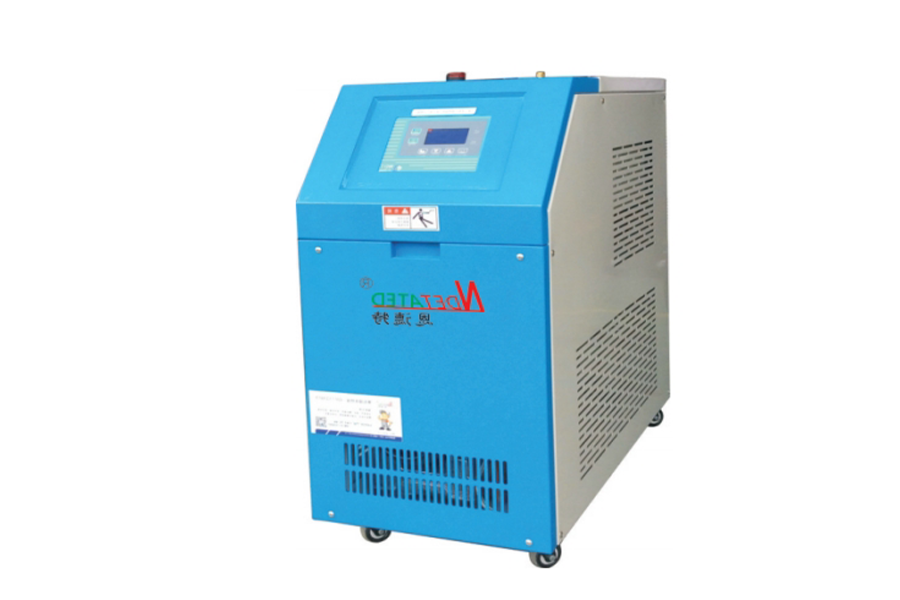
In today’s fast-paced manufacturing landscape, precision and efficiency are paramount. High temp oil mold temperature controllers are essential instruments designed to maintain optimal temperature levels during the manufacturing process. These controllers specialize in managing the heat within molds, crucial for producing high-quality products, particularly in industries such as plastics, automotive, and aerospace. Their role in ensuring consistent temperature control directly influences the quality, durability, and overall performance of the final products.
2. Importance of Temperature Control in Manufacturing
Temperature control is a critical factor in various manufacturing processes. It directly affects material properties, cycle times, and energy consumption. Inconsistent temperatures can lead to defects such as warping, incomplete molds, or suboptimal material performance. High temp oil mold temperature controllers ensure that the temperature remains stable, allowing manufacturers to achieve uniformity and high quality in their products.
2.1 Enhancing Product Quality
By maintaining precise temperature settings, these controllers help in achieving better surface finishes, dimensional accuracy, and improved mechanical properties of molded products. This translates to a higher level of customer satisfaction and reduced returns.
2.2 Reducing Cycle Times
Efficient temperature control minimizes cooling and heating times during the production cycle. Fast cycle times contribute to increased productivity, allowing manufacturers to meet higher demands without compromising quality.
3. Working Principles of High Temp Oil Mold Temperature Controllers
High temp oil mold temperature controllers operate on a straightforward principle of heat transfer. They utilize oil as a heat transfer medium to maintain the desired temperature within the molds. Here’s how they work:
3.1 Heat Transfer Mechanism
The controller circulates heated oil through the mold, providing a consistent and even distribution of heat. The temperature sensors monitor the oil temperature, and if it deviates from the set point, the controller adjusts the heating elements accordingly. This regulation ensures that the mold temperature remains stable throughout the production process.
3.2 Control Systems
Modern controllers incorporate advanced digital control systems that enable precise temperature adjustments. Some controllers are equipped with programmable logic controllers (PLCs) and touch-screen interfaces, facilitating ease of use and monitoring.
4. Key Features of High Temp Oil Mold Temperature Controllers
Understanding the essential features of high temp oil mold temperature controllers can help manufacturers choose the right model for their needs:
4.1 High-Temperature Range
These controllers are designed to handle high temperatures, often exceeding 300°C (572°F). This makes them suitable for various industrial applications that require extreme heat.
4.2 Efficient Heat Transfer
The use of oil as a heat transfer medium minimizes heat loss and allows for rapid heating and cooling, improving overall efficiency.
4.3 Safety Features
Safety is paramount in manufacturing. High temp oil mold temperature controllers often come with built-in safety features, including over-temperature protection and alarms to prevent overheating or equipment damage.
4.4 User-Friendly Interfaces
Many modern controllers feature intuitive interfaces that enable operators to easily set and monitor temperatures, enhancing usability and reducing the likelihood of operator error.
5. Applications in Different Manufacturing Processes
High temp oil mold temperature controllers are versatile tools utilized across various manufacturing sectors:
5.1 Plastics Industry
In the plastics industry, maintaining consistent mold temperatures is crucial for producing parts with high precision and quality. These controllers help in achieving the desired viscosity and flow characteristics of plastics.
5.2 Automotive Manufacturing
Automotive components often require rigorous testing for quality and durability. High temp oil mold temperature controllers ensure that parts are manufactured under optimal conditions, contributing to the overall performance of vehicles.
5.3 Aerospace Industry
Given the high standards and safety requirements in aerospace, these controllers are vital in producing high-performance components that withstand extreme conditions.
6. Benefits of Using High Temp Oil Mold Temperature Controllers
Utilizing high temp oil mold temperature controllers offers numerous advantages:
6.1 Improved Product Consistency
By maintaining uniform temperatures, manufacturers can achieve a higher level of consistency in their products, reducing defects and rework rates.
6.2 Energy Efficiency
Effective temperature control can lead to significant energy savings by optimizing heating and cooling processes. Manufacturers can reduce their energy consumption, contributing to lower operational costs.
6.3 Enhanced Production Speed
With reduced cycle times and increased efficiency, manufacturers can produce higher volumes of products in a shorter time frame, meeting market demands effectively.
7. Technological Advancements in Temperature Control Systems
The field of temperature control technology is continually evolving, with advancements that enhance the performance of high temp oil mold temperature controllers:
7.1 Smart Technology Integration
The integration of IoT (Internet of Things) technology allows for remote monitoring and control of temperature settings. This capability enables manufacturers to optimize processes and respond to issues in real time.
7.2 Advanced Data Analytics
Modern controllers can collect data on temperature fluctuations and performance trends, providing valuable insights that manufacturers can use to refine their processes for better efficiency and quality.
7.3 Eco-Friendly Innovations
Recent advancements also focus on using more environmentally friendly heat transfer fluids, reducing the carbon footprint associated with manufacturing processes.
8. Common Issues and Solutions
While high temp oil mold temperature controllers are effective, they can encounter issues that may affect performance. Here are common challenges and their solutions:
8.1 Inconsistent Temperature Regulation
**Problem:** Fluctuations in temperature can lead to product defects.
**Solution:** Regular maintenance of sensors and heating elements, along with calibration of the control system, ensures accurate temperature regulation.
8.2 Oil Leaks
**Problem:** Leaks can lead to operational inefficiencies and safety hazards.
**Solution:** Conduct regular inspections of seals and connections, and replace worn components immediately.
8.3 Electrical Issues
**Problem:** Electrical failures can disrupt operations.
**Solution:** Ensure that all electrical connections are secure and that the controller is operated within specified voltage limits.
9. Frequently Asked Questions
9.1 What is the maximum temperature range for high temp oil mold temperature controllers?
Most high temp oil mold temperature controllers can operate effectively at temperatures exceeding 300°C (572°F), making them suitable for high-performance manufacturing applications.
9.2 How often should I perform maintenance on my temperature controller?
Regular maintenance should be performed every 6 to 12 months, depending on usage. Inspections should include checking sensors, electrical connections, and oil levels.
9.3 Can I use water instead of oil in these controllers?
No, high temp oil mold temperature controllers are specifically designed to use oil, which provides better heat transfer properties at higher temperatures compared to water.
9.4 Are high temp oil mold temperature controllers energy-efficient?
Yes, when used correctly, these controllers can significantly enhance energy efficiency by optimizing heating and cooling processes, thus saving energy costs.
9.5 What industries benefit the most from using high temp oil mold temperature controllers?
The plastics, automotive, and aerospace industries are among the primary sectors that benefit from these controllers due to their stringent quality and performance requirements.
10. Conclusion
High temp oil mold temperature controllers play a vital role in modern manufacturing, ensuring precision, consistency, and efficiency in production processes. By understanding their working principles, key features, and applications, manufacturers can leverage these tools to enhance product quality and operational efficiency. As technology continues to advance, the integration of smart features and eco-friendly innovations will further solidify the importance of these controllers in achieving optimal manufacturing outcomes. Investing in high temp oil mold temperature controllers is essential for any manufacturer aiming to stay competitive and meet the evolving demands of the industry.
Hot Tags:
PREVIOUS:

Contact Us
E-mail:
18550003508@163.com
Phone:
86-18550003508
Address:
Building 3, Wanyang Zhongchuang City, No. 99 Hongfu Road, Libao Town, Hai'an City, Nantong City, Jiangsu Province
Contact Information
Phone: 8618550003508
E-Mail: 18550003508@163.com
Add: Building 3, Wanyang Zhongchuang City, No. 99 Hongfu Road, Libao Town, Hai'an City, Nantong City, Jiangsu Province

Request Quote