
Water Circulation Mold Temperature Controllers: The Future of Cooling Systems Compared to Traditional Methods
Nov 19,2026
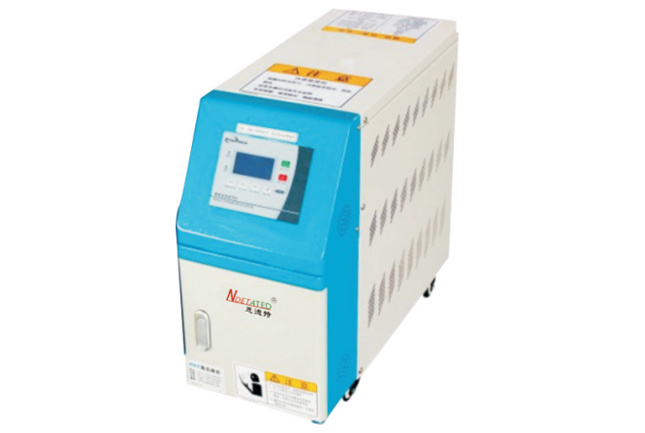
Water Circulation Mold Temperature Controllers vs. Traditional Cooling Systems
Table of Contents
- 1. Introduction to Cooling Systems in Industrial Applications
- 2. Understanding Water Circulation Mold Temperature Controllers
- 3. Traditional Cooling Systems in Industrial Settings
- 4. Advantages of Water Circulation Mold Temperature Controllers
- 5. Limitations of Traditional Cooling Systems
- 6. Energy Efficiency Comparison: Mold Temperature Controllers vs. Traditional Systems
- 7. Cost Analysis and Return on Investment
- 8. Real-World Applications: Where Each System Excels
- 9. Frequently Asked Questions
- 10. Conclusion: Choosing the Right Cooling System for Your Needs
1. Introduction to Cooling Systems in Industrial Applications
Cooling systems play a critical role in various industrial processes. Whether in plastics molding, metal processing, or food production, maintaining optimal temperatures is crucial for ensuring quality and efficiency. Understanding the differences between **water circulation mold temperature controllers** and traditional cooling systems is essential for industries looking to enhance their operations.
2. Understanding Water Circulation Mold Temperature Controllers
Water circulation mold temperature controllers are advanced devices designed to regulate the temperature of molds during manufacturing processes. These systems utilize water as a heat transfer medium, enabling precise temperature control.
How Water Circulation Works
Water circulation systems operate by continuously circulating water through the mold. The water absorbs heat from the mold and transfers it away, preventing overheating. This process not only maintains the desired temperature but also improves the quality of the final product.
Key Features of Water Circulation Systems
- **Precision Control**: These controllers offer precise temperature adjustments, allowing for better quality control in production.
- **Rapid Response Time**: With quick heating and cooling capabilities, manufacturers can significantly reduce cycle times.
- **Energy Efficiency**: Water is a highly effective cooling medium, allowing for lower energy consumption compared to air-cooling systems.
3. Traditional Cooling Systems in Industrial Settings
Traditional cooling systems often rely on air or direct water cooling methods. While these systems have been in use for many years, they present several challenges in maintaining optimal temperatures.
Types of Traditional Cooling Systems
- **Air-Cooled Systems**: These systems use ambient air to dissipate heat, relying on fans and heat exchangers.
- **Direct Water Cooling**: In this setup, water is directly sprayed onto equipment, which can lead to uneven cooling.
Challenges of Traditional Cooling Systems
- **Inconsistent Temperature Control**: Fluctuations in ambient temperature can affect cooling efficiency.
- **Higher Energy Consumption**: Traditional systems often consume more energy, leading to higher operational costs.
4. Advantages of Water Circulation Mold Temperature Controllers
Water circulation mold temperature controllers provide several advantages that make them increasingly popular in industrial settings.
Enhanced Process Efficiency
By providing consistent cooling, these controllers reduce the risk of defects in molded products, enhancing overall process efficiency.
Improved Product Quality
The precision of these systems ensures that products are produced within specified tolerance levels, leading to a higher quality end product.
Lower Operating Costs
The energy efficiency of water circulation systems can lead to significant savings in operating costs over time.
5. Limitations of Traditional Cooling Systems
Despite their widespread use, traditional cooling systems have several limitations that can hinder operational efficiency.
Higher Maintenance Requirements
Traditional systems often require more frequent maintenance due to the buildup of dirt and debris in air-cooling systems.
Inability to Handle High Temperatures
These systems may struggle to maintain optimal temperatures during high-demand production periods, leading to potential downtime.
6. Energy Efficiency Comparison: Mold Temperature Controllers vs. Traditional Systems
Energy efficiency is a key factor in selecting a cooling system.
Water Circulation vs. Air Cooling
Water circulation systems generally consume less energy than traditional air-cooling systems, promoting a more sustainable approach to manufacturing.
Long-Term Savings on Energy Bills
Investing in water circulation systems can yield long-term savings on energy bills, making them a cost-effective choice for manufacturers.
7. Cost Analysis and Return on Investment
Understanding the financial implications of switching to water circulation mold temperature controllers is crucial for decision-makers.
Initial Investment vs. Long-Term Savings
Although water circulation systems may require a higher initial investment, their energy efficiency and reduced maintenance costs can lead to significant savings over their lifespan.
Calculating ROI
To determine the return on investment, manufacturers should consider both direct and indirect savings associated with enhanced efficiency and product quality.
8. Real-World Applications: Where Each System Excels
Both water circulation mold temperature controllers and traditional cooling systems have their place in various industries.
Ideal Industries for Water Circulation Systems
- **Plastic Injection Molding**: Where precise temperature control is vital for product quality.
- **Metal Casting**: Offering consistent cooling to prevent defects in finished products.
Suitable Applications for Traditional Cooling Systems
- **Basic Manufacturing Processes**: Where budget constraints may limit options.
- **Smaller Operations**: That may not require the advanced capabilities of water circulation systems.
9. Frequently Asked Questions
What is the primary difference between water circulation mold temperature controllers and traditional cooling systems?
Water circulation systems utilize water for temperature control, resulting in more precise cooling, while traditional systems may rely on air or direct water cooling, leading to inconsistent temperature regulation.
Are water circulation mold temperature controllers more expensive than traditional systems?
While the initial investment for water circulation systems may be higher, the long-term energy savings and reduced maintenance costs often offset this expense.
Can water circulation systems be used in all manufacturing processes?
Water circulation systems are particularly beneficial in processes requiring precise temperature control, such as plastic injection molding and metal casting.
What maintenance is required for water circulation mold temperature controllers?
Routine maintenance includes checking for leaks, ensuring proper water quality, and regular system inspections to maintain optimal performance.
How can I determine if a water circulation system is right for my business?
Consider your production needs, budget, and the importance of temperature consistency in your processes to determine if a water circulation system is a suitable investment.
10. Conclusion: Choosing the Right Cooling System for Your Needs
In the competitive landscape of industrial manufacturing, the choice between **water circulation mold temperature controllers** and traditional cooling systems can have a significant impact on efficiency, product quality, and overall operational costs. As industries strive for higher standards and enhanced productivity, investing in modern cooling solutions like water circulation systems offers a clear pathway to achieving these goals. Balancing initial costs with long-term benefits is crucial, and for many applications, water circulation systems may prove to be the superior choice. As technology continues to advance, embracing innovative solutions will enable manufacturers to stay ahead in an ever-evolving marketplace.
Hot Tags:
Contact Us
E-mail:
celine@jsntp.com
Phone:
86-18913523538
Address:
Building 3, Wanyang Zhongchuang City, No. 99 Hongfu Road, Libao Town, Hai'an City, Nantong City, Jiangsu Province
Contact Information
Phone: 8618550003508
Add: Building 3, Wanyang Zhongchuang City, No. 99 Hongfu Road, Libao Town, Hai'an City, Nantong City, Jiangsu Province

Request Quote