
Understanding Oil Heating Mold Temperature Units: A Key Component in Industrial Processes
Nov 16,2026
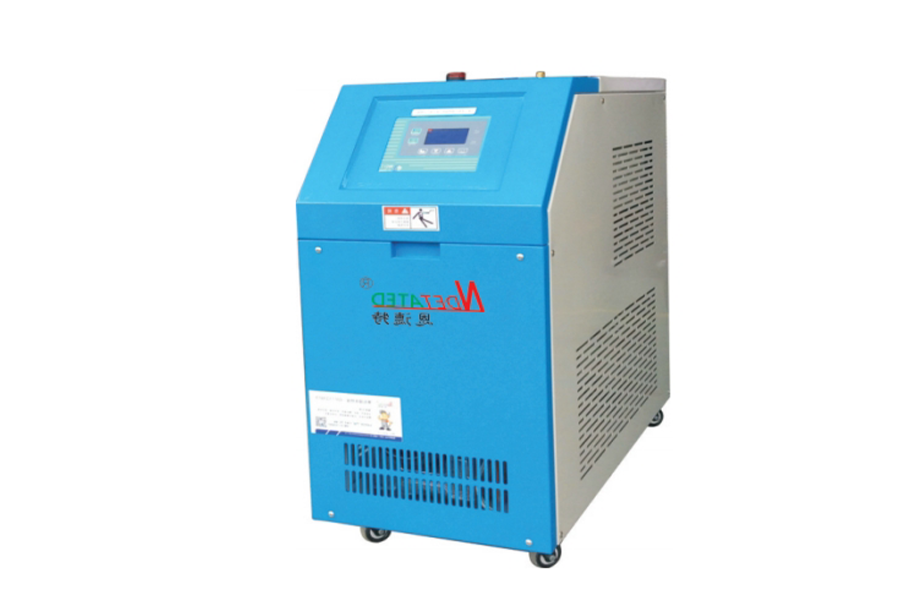
In the realm of industrial applications, maintaining precise temperature control is essential for ensuring quality and consistency in manufacturing processes. One critical component in this regard is the oil heating mold temperature unit. These units are specifically designed to manage the temperature of molds used in various production applications, such as plastic injection molding, die casting, and other processes that require stable thermal conditions.
The primary function of oil heating mold temperature units is to provide efficient and uniform heating to molds. By circulating heated oil through the mold, these units ensure that the temperature remains constant, thereby preventing defects in the final product. This is especially important in processes where slight temperature variations can lead to warping, uneven surface finishes, or other quality issues.
One of the key advantages of using oil as a heating medium is its high thermal capacity. Oil can maintain consistent temperatures over extended periods, which is crucial for processes that require long cycle times. Additionally, oil heating systems tend to be more energy-efficient compared to other heating methods, as they can maintain heat without significant energy loss.
The design of oil heating mold temperature units often incorporates advanced control systems that allow for precise temperature adjustments. Operators can set the desired temperature and monitor real-time data, ensuring optimal performance throughout the production cycle. Some advanced units even feature programmable settings that can accommodate different molds or production runs, further enhancing flexibility and efficiency.
Moreover, the integration of oil heating systems can lead to significant improvements in overall production efficiency. By reducing heating times and ensuring uniform temperature distribution, manufacturers can achieve faster cycle times. This not only increases output but also reduces energy consumption, making the process more sustainable.
In conclusion, oil heating mold temperature units are an indispensable part of modern industrial equipment, particularly in industries that rely on precision and quality. By understanding the function and benefits of these units, manufacturers can make informed decisions that enhance their processes, improve product quality, and ultimately contribute to their bottom line. Investing in reliable oil heating solutions is key to staying competitive in today's fast-paced industrial landscape.
Hot Tags:
Contact Us
E-mail:
celine@jsntp.com
Phone:
86-18913523538
Address:
Building 3, Wanyang Zhongchuang City, No. 99 Hongfu Road, Libao Town, Hai'an City, Nantong City, Jiangsu Province
Contact Information
Phone: 8618550003508
Add: Building 3, Wanyang Zhongchuang City, No. 99 Hongfu Road, Libao Town, Hai'an City, Nantong City, Jiangsu Province

Request Quote