
The Role of Water/Oil Dual Mold Temperature Controllers in Modern Manufacturing
Nov 13,2026
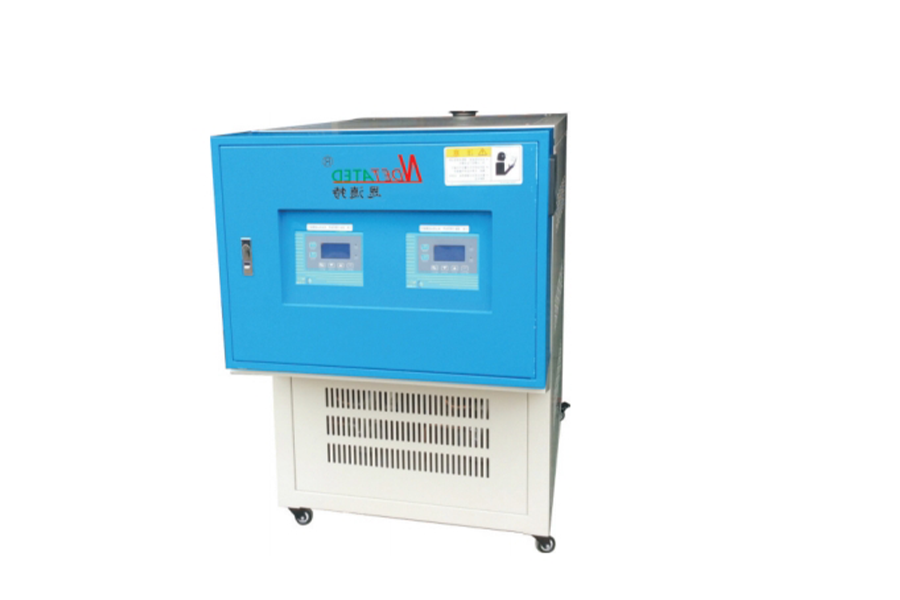
The Role of Water/Oil Dual Mold Temperature Controllers in Modern Manufacturing
Table of Contents
- 1. Introduction to Mold Temperature Control
- 2. Importance of Temperature Control in Manufacturing
- 3. What are Water/Oil Dual Mold Temperature Controllers?
- 4. Benefits of Using Dual Mold Temperature Controllers
- 5. Applications in Various Industries
- 6. Installation and Maintenance Considerations
- 7. Future Trends in Temperature Control Technology
- 8. Conclusion
- 9. FAQs
1. Introduction to Mold Temperature Control
In the realm of modern manufacturing, precision and efficiency are at the forefront of production strategies. One of the critical aspects of achieving this is effective mold temperature control. Mold temperature significantly influences the properties of the final product, such as dimensional stability, finish quality, and cycle times. The introduction of **water/oil dual mold temperature controllers** has revolutionized how industries manage temperature, ensuring optimal conditions for diverse manufacturing processes.
2. Importance of Temperature Control in Manufacturing
Temperature control is vital in various manufacturing sectors, particularly those involving plastics, metals, and composites. Maintaining precise temperatures during the molding process can lead to notable benefits, including:
- Enhanced Product Quality: Consistent temperature helps achieve uniform material properties, reducing defects.
- Improved Cycle Times: Efficient temperature control allows for faster cooling and heating, optimizing the production cycle.
- Energy Efficiency: Advanced temperature controllers can reduce energy consumption, lowering operational costs.
3. What are Water/Oil Dual Mold Temperature Controllers?
Water/oil dual mold temperature controllers are sophisticated systems designed to regulate the temperature of molds during the manufacturing process. These controllers utilize both water and oil as heat transfer mediums, providing a versatile approach to temperature management.
3.1 How They Work
The dual medium allows for greater flexibility, where water is typically used for rapid cooling, and oil is employed for more gradual heating. This combination helps manufacturers achieve precise temperature administration, ensuring that the molds and the materials within them reach the desired thermal conditions swiftly and uniformly.
3.2 Types of Dual Mold Temperature Controllers
Dual mold temperature controllers come in various designs to cater to different manufacturing needs. Key types include:
- Direct Flow Systems: Allow for immediate temperature adjustments, ideal for rapid production lines.
- Recirculating Systems: Ensure continuous temperature management, reducing energy loss.
- Modular Systems: Provide customization options for specific production requirements.
4. Benefits of Using Dual Mold Temperature Controllers
Implementing water/oil dual mold temperature controllers brings several significant advantages to manufacturing operations:
4.1 Increased Flexibility
The ability to switch between water and oil heating/cooling mediums provides manufacturers with unparalleled flexibility. This adaptability allows for handling various materials and mold designs without extensive system modifications.
4.2 Enhanced Precision
With advanced sensors and controls, dual mold temperature controllers deliver precise temperature readings, ensuring that the molds remain within optimal thermal ranges, thus improving product quality and consistency.
4.3 Cost Efficiency
Businesses can save substantially on energy costs by minimizing heating and cooling time. Additionally, enhanced product quality leads to reduced waste and rework, translating to lower operational costs.
4.4 Reduced Cycle Times
Faster temperature adjustments facilitate shorter cycle times, allowing manufacturers to increase throughput without compromising quality.
5. Applications in Various Industries
Water/oil dual mold temperature controllers find applications across several industries, including:
5.1 Plastics Manufacturing
In plastic molding processes, maintaining consistent mold temperatures is crucial for achieving high-quality products. Dual temperature controllers help in delivering precise thermal management, essential for complex molds.
5.2 Automotive Industry
Manufacturers in the automotive sector utilize these systems for producing high-performance components, where enhanced strength and durability are required.
5.3 Electronics Manufacturing
In electronics, precise temperature control is vital for producing components that require strict thermal specifications, ensuring functionality and reliability.
5.4 Medical Device Manufacturing
The medical industry demands the highest quality standards. Dual mold temperature controllers help ensure that products meet stringent regulations and performance criteria.
6. Installation and Maintenance Considerations
Implementing a water/oil dual mold temperature controller requires careful planning and consideration.
6.1 Installation Best Practices
- **Site Assessment**: Evaluate the production environment to determine the best placement for the temperature controller.
- **System Compatibility**: Ensure compatibility of the controller with existing machinery and processes.
- **Professional Installation**: Engage skilled technicians for installation to ensure optimal setup and functionality.
6.2 Maintenance Tips
- **Regular Inspections**: Conduct routine inspections to check for leaks and ensure proper functioning.
- **Calibrations**: Regularly calibrate temperature sensors to maintain accuracy.
- **Fluid Management**: Monitor and replace heating/cooling fluids as recommended to ensure efficient heat transfer.
7. Future Trends in Temperature Control Technology
As technology advances, several trends are expected to shape the future of water/oil dual mold temperature controllers:
7.1 Smart Technology Integration
The integration of IoT devices will allow for remote monitoring and control, enhancing the ability to manage mold temperatures in real time.
7.2 Energy-Efficient Solutions
As sustainability becomes increasingly important, manufacturers will focus on developing more energy-efficient temperature control systems.
7.3 Enhanced User Interfaces
Future controllers will likely feature more intuitive user interfaces, making it easier for operators to monitor and adjust settings.
8. Conclusion
The role of water/oil dual mold temperature controllers in modern manufacturing cannot be overstated. Their ability to deliver precise, efficient, and flexible temperature management significantly enhances product quality, reduces cycle times, and improves overall operational efficiency. As industries continue to evolve and demand higher standards, these systems will play a pivotal role in shaping the future of manufacturing processes.
9. FAQs
What is the primary function of water/oil dual mold temperature controllers?
Their primary function is to regulate the temperature of molds during the production process, utilizing both water and oil for efficient heating and cooling.
How do these controllers improve manufacturing efficiency?
They enhance efficiency by providing precise temperature control, reducing cycle times, and minimizing energy consumption.
What industries benefit most from dual mold temperature controllers?
Industries such as plastics, automotive, electronics, and medical device manufacturing benefit significantly from these systems.
Are there specific maintenance requirements for these controllers?
Yes, regular inspections, calibrations, and fluid management are essential for maintaining optimal performance.
What future advancements can we expect in this technology?
Future advancements may include smart technology integration, increased energy efficiency, and enhanced user interfaces for better usability.
Hot Tags:
Contact Us
E-mail:
celine@jsntp.com
Phone:
86-18913523538
Address:
Building 3, Wanyang Zhongchuang City, No. 99 Hongfu Road, Libao Town, Hai'an City, Nantong City, Jiangsu Province
Contact Information
Phone: 8618550003508
Add: Building 3, Wanyang Zhongchuang City, No. 99 Hongfu Road, Libao Town, Hai'an City, Nantong City, Jiangsu Province

Request Quote