
A Comprehensive Guide to Energy Efficient Air Cooled Chillers: Maximizing Performance and Reducing Costs
Sep 15,2026
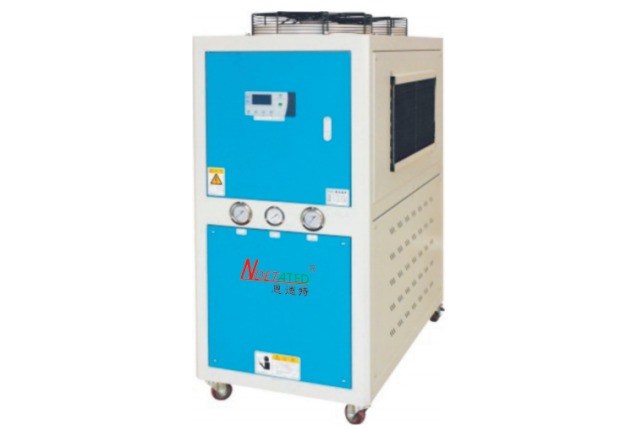
A Comprehensive Guide to Energy Efficient Air Cooled Chillers
Table of Contents
- 1. Introduction to Air Cooled Chillers
- 2. Understanding Energy Efficiency in Chillers
- 3. Benefits of Using Air Cooled Chillers
- 4. How Air Cooled Chillers Work
- 5. Key Components of Air Cooled Chillers
- 6. Choosing the Right Energy Efficient Air Cooled Chiller
- 7. Maintenance Tips for Longevity and Efficiency
- 8. Emerging Trends in Energy Efficient Air Cooled Chillers
- 9. Frequently Asked Questions
- 10. Conclusion
1. Introduction to Air Cooled Chillers
Air cooled chillers are vital components in various industrial and commercial applications. They play a critical role in maintaining the required temperature in manufacturing processes, commercial buildings, and even in large-scale refrigeration systems. As energy efficiency becomes increasingly important in today’s climate-conscious world, understanding how to select, maintain, and optimize air cooled chillers can lead to significant operational savings and reduced environmental impact. In this comprehensive guide, we will delve into the nuances of energy efficient air cooled chillers, equipping you with the knowledge to make informed decisions.
2. Understanding Energy Efficiency in Chillers
Energy efficiency in air cooled chillers is measured using the Energy Efficiency Ratio (EER) and the Coefficient of Performance (COP). Both metrics provide insight into how effectively a chiller uses energy to produce cooling.
2.1 Energy Efficiency Ratio (EER)
EER is calculated by dividing the cooling capacity (in BTUs) by the power input (in watts). A higher EER indicates a more efficient chiller that produces more cooling output for every unit of energy consumed.
2.2 Coefficient of Performance (COP)
COP is similar but is often used for heat pumps. It is calculated as the ratio of useful heating or cooling provided to the energy consumed. A higher COP signifies a more efficient performance.
2.3 Seasonal Energy Efficiency Ratio (SEER)
SEER accounts for variations in temperature and operating conditions, providing a more comprehensive view of a chiller’s efficiency over an entire cooling season.
3. Benefits of Using Air Cooled Chillers
Investing in energy efficient air cooled chillers offers numerous advantages.
3.1 Reduced Energy Costs
With superior energy efficiency, businesses can see significant reductions in their energy bills, allowing for improved profit margins.
3.2 Lower Environmental Impact
Energy efficient chillers consume less electricity, which translates to a decrease in greenhouse gas emissions, contributing to a healthier planet.
3.3 Easy Installation and Maintenance
Air cooled chillers require less complex installation compared to water-cooled systems. Their maintenance is also simplified due to fewer components.
3.4 Enhanced Performance
Modern air cooled chillers are designed to deliver optimal performance even in varying environmental conditions, ensuring reliability.
4. How Air Cooled Chillers Work
Air cooled chillers function by using refrigerant to absorb heat from a process and reject it to the atmosphere. The process involves several key stages, including compression, condensation, expansion, and evaporation.
4.1 The Refrigeration Cycle
The refrigeration cycle begins with the compressor, which pressurizes the refrigerant gas, raising its temperature. The hot gas then flows to the condenser, where it releases heat to the air and condenses into a liquid. This high-pressure liquid refrigerant then travels through an expansion valve, dropping in pressure and temperature before entering the evaporator. In the evaporator, the refrigerant absorbs heat from the water or air being cooled, returning to the compressor as a low-pressure gas, thus completing the cycle.
5. Key Components of Air Cooled Chillers
Understanding the major components of air cooled chillers is essential for selecting and maintaining these systems.
5.1 Compressor
The compressor is the heart of the chiller, responsible for compressing the refrigerant gas and circulating it through the system.
5.2 Condenser Coils
These coils facilitate the heat exchange process, allowing the refrigerant to cool and condense into a liquid.
5.3 Expansion Valve
The expansion valve regulates the flow of refrigerant entering the evaporator, maintaining efficient operation.
5.4 Evaporator
The evaporator absorbs heat from the surrounding environment, cooling the fluid that is being processed.
5.5 Fans
Fans are used to facilitate airflow over the condenser coils, enhancing the heat rejection process.
6. Choosing the Right Energy Efficient Air Cooled Chiller
Selecting the right chiller involves evaluating several factors to ensure optimal performance.
6.1 Cooling Load Calculation
Accurate cooling load calculations are critical. This involves assessing the heat load that needs to be removed, considering factors such as building occupancy, equipment heat generation, and insulation quality.
6.2 Size and Capacity
Choosing a chiller with the appropriate capacity is essential. Oversized chillers can lead to increased energy consumption, while undersized units may struggle to meet cooling demands.
6.3 Energy Efficiency Ratings
Review the energy efficiency ratings (EER, COP, SEER) of potential chillers. Opt for models with high ratings to ensure long-term savings.
6.4 Brand Reputation and Support
Research brands known for reliability and customer support. A reputable manufacturer will offer robust service plans and warranties.
7. Maintenance Tips for Longevity and Efficiency
Regular maintenance is crucial for ensuring the longevity and efficiency of air cooled chillers.
7.1 Regular Inspections
Conduct regular inspections to identify any potential issues early. Look for signs of wear, leaks, and overall performance.
7.2 Cleaning Condenser Coils
Keeping the condenser coils clean is essential for optimal heat transfer. Dirt and debris can significantly reduce efficiency.
7.3 Checking Refrigerant Levels
Ensure that refrigerant levels are within the manufacturer's specifications. Low refrigerant levels can lead to reduced cooling capacity.
7.4 Monitoring System Performance
Utilize monitoring systems to track performance metrics and detect anomalies that may indicate a problem.
8. Emerging Trends in Energy Efficient Air Cooled Chillers
The industry is continually evolving, with new trends shaping the future of air cooled chillers.
8.1 Smart Technology Integration
Modern chillers are increasingly equipped with smart technology, allowing for real-time performance monitoring and optimization.
8.2 Environmentally Friendly Refrigerants
The shift towards environmentally friendly refrigerants is gaining momentum, with many manufacturers adopting low-GWP (Global Warming Potential) refrigerants.
8.3 Modular Chiller Systems
Modular chillers offer flexibility and scalability, making it easier to adjust cooling capacity based on changing needs.
9. Frequently Asked Questions
9.1 What is the average lifespan of an air cooled chiller?
The average lifespan of an air cooled chiller is typically between 15 to 20 years, depending on usage and maintenance.
9.2 How often should air cooled chillers be serviced?
Regular servicing is recommended at least once a year, with more frequent checks in high-demand seasons.
9.3 What factors affect the efficiency of air cooled chillers?
Factors include ambient temperature, refrigerant type, maintenance practices, and system design.
9.4 Can I retrofit my existing chiller for better efficiency?
Yes, retrofitting options are available that can enhance the efficiency of older chillers, although a full replacement may sometimes be the more cost-effective solution.
9.5 Are there rebates available for energy-efficient chillers?
Many utility companies offer rebates and incentives for upgrading to energy-efficient systems; it’s advisable to check local programs.
10. Conclusion
In conclusion, energy efficient air cooled chillers represent a crucial investment for businesses seeking to enhance cooling capabilities while minimizing energy costs and environmental impact. By understanding their operation, selecting the right model, and adhering to maintenance best practices, organizations can optimize their cooling systems effectively. As the industry advances, staying abreast of emerging trends will further position businesses to reap the benefits of cutting-edge technology in air cooling solutions. The journey toward energy efficiency is not just about compliance—it’s about leading the way towards a sustainable future.
Hot Tags:
Contact Us
E-mail:
celine@jsntp.com
Phone:
86-18913523538
Address:
Building 3, Wanyang Zhongchuang City, No. 99 Hongfu Road, Libao Town, Hai'an City, Nantong City, Jiangsu Province
Contact Information
Phone: 8618550003508
Add: Building 3, Wanyang Zhongchuang City, No. 99 Hongfu Road, Libao Town, Hai'an City, Nantong City, Jiangsu Province

Request Quote