
Common Misconceptions About Water Circulation Mold Temperature Controllers: Debunking Myths for Optimal Performance
Aug 22,2026
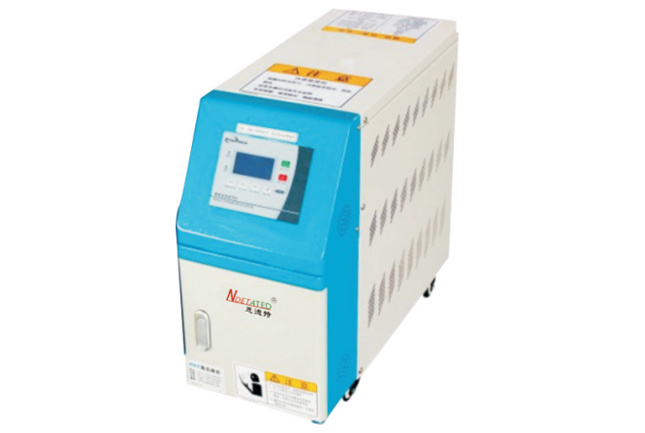
Understanding Water Circulation Mold Temperature Controllers
Water circulation mold temperature controllers play a pivotal role in maintaining the precise temperature required in various industrial applications, especially in mold-making processes. These devices ensure that molds are kept at optimal temperatures for effective cooling and heating, contributing to the overall quality and efficiency of production. However, there are several misconceptions associated with their operation, performance, and maintenance. In this article, we aim to debunk these myths and provide you with valuable insights.
Table of Contents
1. What Are Water Circulation Mold Temperature Controllers?
2. The Importance of Accurate Temperature Control in Industrial Processes
3. Common Misconceptions About Water Circulation Mold Temperature Controllers
3.1 Myth #1: All Temperature Controllers Are the Same
3.2 Myth #2: Higher Temperature Settings Always Improve Performance
3.3 Myth #3: Water Quality Has No Impact on Performance
3.4 Myth #4: These Controllers Are Too Complicated to Use
3.5 Myth #5: Maintenance Is Not Necessary for Optimal Performance
4. Best Practices for Using Water Circulation Mold Temperature Controllers
5. Frequently Asked Questions (FAQs)
6. Conclusion: Setting the Record Straight
1. What Are Water Circulation Mold Temperature Controllers?
Water circulation mold temperature controllers are specialized devices designed to regulate the temperature of molds used in various manufacturing processes. They work by circulating water through a cooling or heating system that is connected to the mold. This technology ensures that the molds achieve and maintain the desired temperatures, resulting in improved production quality and efficiency.
These controllers are equipped with advanced features such as temperature sensors, digital displays, and programmable settings, allowing operators to manage temperature profiles accurately. This precise control is crucial in industries such as plastics, metal casting, and food processing, where temperature fluctuations can lead to defects and quality issues.
2. The Importance of Accurate Temperature Control in Industrial Processes
Accurate temperature control in industrial processes is paramount. Variations in temperature can lead to significant consequences, including:
- **Quality Defects**: Inconsistent temperatures can cause imperfections in the final product, such as warping, uneven textures, and poor surface finishes.
- **Increased Production Costs**: Temperature fluctuations often lead to increased cycle times and higher energy consumption, adversely affecting the overall cost-efficiency of the production process.
- **Equipment Damage**: Overheating or inadequate cooling can result in equipment failure, leading to costly downtime and repairs.
By using water circulation mold temperature controllers, businesses can ensure that their production processes remain stable, consistent, and high-quality.
3. Common Misconceptions About Water Circulation Mold Temperature Controllers
Despite their importance, various myths surround water circulation mold temperature controllers. Understanding and debunking these misconceptions is essential for maximizing their effectiveness.
3.1 Myth #1: All Temperature Controllers Are the Same
One prevalent misconception is that all temperature controllers function similarly. In reality, various types of controllers differ in terms of features, capabilities, and applications. For instance, some may offer more advanced functionalities like real-time monitoring, data logging, and enhanced programming options.
Choosing the right water circulation mold temperature controller depends on specific operational needs, including the size of the mold, the material being processed, and the required temperature ranges. Therefore, it’s crucial to conduct thorough research and select a controller that aligns with your specific requirements.
3.2 Myth #2: Higher Temperature Settings Always Improve Performance
Many believe that increasing the temperature settings on their controllers will enhance the performance of their molds. However, this is a misconception. Higher temperatures can lead to various issues, including:
- **Thermal Stress**: Excessive heat can cause thermal stress in mold materials, leading to cracks or deformities.
- **Decreased Lifespan**: Operating at higher temperatures than necessary can shorten the lifespan of molds and temperature control systems.
Instead of raising the temperature indiscriminately, operators should focus on maintaining the optimal temperature range specified for the materials and processes in use.
3.3 Myth #3: Water Quality Has No Impact on Performance
Another common myth is that water quality has no influence on the performance of water circulation mold temperature controllers. In truth, water quality is a critical factor that can significantly impact efficiency and results. Poor-quality water containing impurities or contaminants can lead to:
- **Corrosion**: Impurities in water can cause corrosion in the system, leading to leaks and equipment failure.
- **Scale Buildup**: Mineral deposits can build up over time, reducing the efficiency of heat transfer and causing potential blockages.
Using high-quality water and implementing regular maintenance can enhance the performance and longevity of temperature controllers.
3.4 Myth #4: These Controllers Are Too Complicated to Use
Some users perceive water circulation mold temperature controllers as overly complex and challenging to operate. However, most modern controllers come with user-friendly interfaces and detailed manuals to facilitate ease of use. Familiarizing oneself with the device’s features and settings can significantly enhance operational efficiency.
Moreover, many manufacturers offer training programs and customer support to help users navigate their temperature controllers effectively.
3.5 Myth #5: Maintenance Is Not Necessary for Optimal Performance
A significant misconception is that once installed, water circulation mold temperature controllers do not require maintenance. This belief can lead to decreased performance over time. Regular maintenance is essential for:
- **Ensuring Accuracy**: Periodic checks and calibrations help maintain precision in temperature control.
- **Preventing Breakdowns**: Routine maintenance can identify potential issues before they lead to equipment failure, saving time and costs associated with repairs.
Setting up a maintenance schedule and adhering to it can prolong the lifespan and efficiency of your temperature controllers.
4. Best Practices for Using Water Circulation Mold Temperature Controllers
To optimize the performance of water circulation mold temperature controllers, consider the following best practices:
- **Choose the Right Controller**: Assess your specific needs, such as mold size, material, and temperature requirements, before purchasing a controller.
- **Regular Maintenance**: Implement a maintenance schedule that includes cleaning, inspections, and calibrations to ensure optimal performance.
- **Monitor Water Quality**: Regularly check the quality of the circulating water, treating it as necessary to prevent corrosion and scale buildup.
- **Utilize Training Resources**: Take advantage of manufacturer training programs and user manuals to ensure that all operators are familiar with the device's functionalities.
By following these best practices, you can maximize the efficiency and effectiveness of your water circulation mold temperature controllers.
5. Frequently Asked Questions (FAQs)
Q1: What is the primary function of a water circulation mold temperature controller?
A1: The primary function of a water circulation mold temperature controller is to regulate and maintain the temperature of molds used in industrial processes, ensuring consistent quality and efficiency.
Q2: How often should I perform maintenance on my temperature controller?
A2: Maintenance should ideally be performed on a quarterly basis, including checks for leaks, water quality, and calibration of temperature settings.
Q3: Can I use tap water in my temperature controller?
A3: While tap water may be used, it is recommended to use distilled or deionized water to prevent mineral buildup and corrosion.
Q4: Are all water circulation mold temperature controllers compatible with every type of mold?
A4: No, not all controllers are compatible with every type of mold. It is essential to choose a controller based on the specific requirements of the mold and the material being processed.
Q5: How can I improve the energy efficiency of my temperature controller system?
A5: Improving energy efficiency can be achieved by regularly maintaining the system, using high-quality water, optimizing temperature settings, and implementing insulation on pipes and hoses.
6. Conclusion: Setting the Record Straight
Understanding the realities behind water circulation mold temperature controllers is essential for anyone involved in industrial manufacturing processes. By debunking common misconceptions and implementing best practices, businesses can enhance the performance and longevity of their systems. Accurate temperature control leads to improved product quality, reduced costs, and greater operational efficiency. Embracing these insights can help ensure that your production processes run smoothly and effectively.
Hot Tags:
Contact Us
E-mail:
celine@jsntp.com
Phone:
86-18913523538
Address:
Building 3, Wanyang Zhongchuang City, No. 99 Hongfu Road, Libao Town, Hai'an City, Nantong City, Jiangsu Province
Contact Information
Phone: 8618550003508
Add: Building 3, Wanyang Zhongchuang City, No. 99 Hongfu Road, Libao Town, Hai'an City, Nantong City, Jiangsu Province

Request Quote