
Comparing Water and Oil: The Best Dual Mold Temperature Controllers Revealed
Jul 11,2026
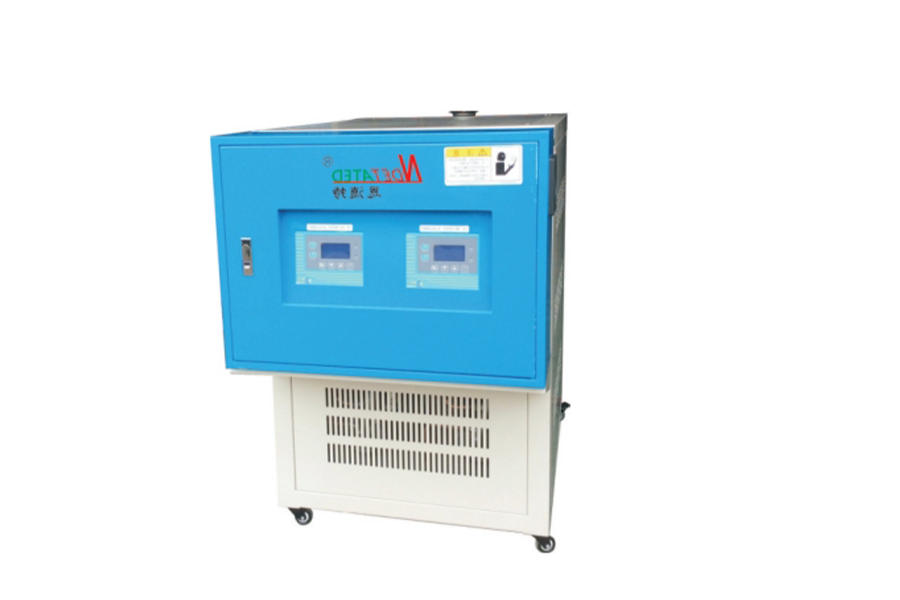
Comparing Water and Oil: The Best Dual Mold Temperature Controllers Revealed
Table of Contents
- 1. Introduction to Dual Mold Temperature Controllers
- 2. Understanding Heat Transfer Fluids: Water vs. Oil
- 3. Advantages of Using Water as a Heat Transfer Fluid
- 4. Disadvantages of Using Water
- 5. Advantages of Using Oil as a Heat Transfer Fluid
- 6. Disadvantages of Using Oil
- 7. The Best Dual Mold Temperature Controllers on the Market
- 8. How to Choose the Right Dual Mold Temperature Controller
- 9. Frequently Asked Questions
- 10. Conclusion
1. Introduction to Dual Mold Temperature Controllers
Dual mold temperature controllers are essential components in industrial processes where precise temperature regulation is critical. These devices maintain the optimal temperature of molds during the manufacturing of plastic, rubber, and metal parts, ensuring that products are produced consistently and efficiently. By utilizing either water or oil as heat transfer fluids, these controllers can adapt to various operational needs.
In this article, we will explore the differences between water and oil as heat transfer fluids, examine the pros and cons of each, and present some of the best dual mold temperature controllers available today.
2. Understanding Heat Transfer Fluids: Water vs. Oil
Heat transfer fluids play a crucial role in the efficiency of dual mold temperature controllers. The choice between water and oil significantly impacts the performance, costs, and overall effectiveness of the temperature control system.
What Are Heat Transfer Fluids?
Heat transfer fluids are mediums used to transfer heat from one location to another. They are vital in various industrial applications, including HVAC systems, food processing, and plastics manufacturing. The effectiveness of a heat transfer fluid depends on its thermal conductivity, viscosity, heat capacity, and stability under operational conditions.
Key Differences Between Water and Oil in Temperature Control
While both water and oil serve the same fundamental purpose, they possess distinct characteristics that influence their performance in mold temperature controllers:
- **Thermal Conductivity**: Water has a higher thermal conductivity than oil, allowing for faster heat transfer. This property can lead to more efficient temperature control in processes requiring rapid heating and cooling.
- **Operating Temperature Range**: Oil typically has a higher boiling point than water, making it suitable for high-temperature applications where water may vaporize.
- **Viscosity**: Water is less viscous than oil, which can affect the flow rate in systems. Lower viscosity can result in less resistance and better flow dynamics.
- **Cost and Availability**: Water is generally more accessible and less expensive than oil, affecting operational costs for temperature control systems.
3. Advantages of Using Water as a Heat Transfer Fluid
Water presents several advantages when used as a heat transfer fluid in dual mold temperature controllers:
Cost-Effectiveness
Water is inexpensive and readily available, significantly reducing the overall operational costs for industrial processes. This makes it an attractive choice for many manufacturers.
High Thermal Conductivity
With its superior thermal conductivity, water allows for rapid heat exchange, enabling quick adjustments to mold temperatures. This capability is particularly valuable in high-volume production environments.
Environmentally Friendly
Water is non-toxic and environmentally friendly, making it a safer option for manufacturers looking to minimize their ecological footprint.
4. Disadvantages of Using Water
Despite its advantages, water also has notable disadvantages:
Corrosion Potential
Water can promote corrosion in metal components over time, particularly if not treated with inhibitors. This can lead to increased maintenance costs and equipment failures.
Limited Temperature Range
Water may not be suitable for applications requiring high temperatures, as it can boil and vaporize at 100°C (212°F). This limitation can hinder its effectiveness in high-heat processes.
Potential Freezing Risks
In colder environments, water can freeze, causing blockages and potential damage to temperature control systems if not properly insulated or regulated.
5. Advantages of Using Oil as a Heat Transfer Fluid
Oil offers several benefits as a heat transfer fluid:
Higher Operating Temperature
Oil can withstand significantly higher temperatures without vaporizing, making it ideal for processes requiring sustained high heat.
Lower Freezing Point
Many oils have lower freezing points compared to water, reducing the risk of freezing in colder environments and ensuring consistent operation.
Stability
Oil is often more stable than water under thermal cycling conditions, leading to a longer lifespan of the heat transfer fluid and reduced maintenance requirements.
6. Disadvantages of Using Oil
While oil has its advantages, it also comes with certain drawbacks:
Higher Cost
Oil is generally more expensive than water, increasing the operational costs associated with temperature control systems.
Environmental Concerns
Oil can be hazardous to the environment if leaks occur, posing contamination risks. This can lead to additional regulatory challenges for manufacturers.
Viscosity Issues
At lower temperatures, oil can thicken and become less effective as a heat transfer medium, affecting its performance in certain applications.
7. The Best Dual Mold Temperature Controllers on the Market
Choosing the right dual mold temperature controller can significantly impact your operational efficiency. Here are some of the top models available today:
Model A: XYZ Thermal Management Controller
XYZ provides a dual mold temperature controller designed for high precision. With adjustable temperature settings and both water and oil compatibility, it offers versatility for various applications.
Model B: ABC Industrial Temp Control System
The ABC system excels in high-temperature environments, making it ideal for oil-based applications. It features advanced digital controls for precise temperature management.
Model C: DEF Eco-Friendly Dual Temperature Controller
This model focuses on sustainability, utilizing water as its primary heat transfer fluid. It includes eco-friendly components and has a lower environmental impact.
Model D: GHI High-Efficiency Mold Controller
GHI's controller is known for its energy efficiency and quick responsiveness, making it suitable for high-volume production lines requiring rapid temperature adjustments.
Model E: JKL Versatile Heat Transfer Unit
JKL offers a unique dual-mode operation, allowing users to switch seamlessly between water and oil, catering to a broad range of manufacturing needs.
8. How to Choose the Right Dual Mold Temperature Controller
Selecting the appropriate dual mold temperature controller requires careful consideration of several factors:
Application Requirements
Assess the specific temperature and pressure requirements of your application. High-temperature processes may necessitate oil-based systems, while lower-temperature operations might benefit more from water.
Cost Considerations
Evaluate your budget for both initial purchase and ongoing operational costs. While oil systems may provide performance benefits, water systems are typically less expensive to operate.
Environmental Impact
Consider the environmental implications associated with each fluid. Manufacturers committed to sustainability may prefer water-based systems.
Maintenance and Support
Research the availability of technical support and maintenance services for the chosen controller. Reliable support can enhance the longevity and efficiency of your system.
9. Frequently Asked Questions
1. Can I use both water and oil in dual mold temperature controllers?
Yes, many modern dual mold temperature controllers are designed to accommodate both water and oil, offering flexibility based on operational needs.
2. What factors should I consider when selecting heat transfer fluid?
Consider operational temperature range, viscosity, cost, availability, and environmental impact when choosing a heat transfer fluid.
3. How often should I change the heat transfer fluid?
The frequency of changing heat transfer fluid depends on the specific application and the condition of the fluid. Regular monitoring can help determine when a change is necessary.
4. Are there any safety concerns with using oil as a heat transfer fluid?
Yes, oil can pose fire hazards if leaks occur. Proper handling, storage, and maintenance are essential to mitigate these risks.
5. Is water always the best option for heat transfer?
Not necessarily. While water is cost-effective and has high thermal conductivity, its limitations in high-temperature applications make it less suitable for some processes.
10. Conclusion
In conclusion, the choice between water and oil as heat transfer fluids in dual mold temperature controllers ultimately depends on the specific requirements of your industrial process. Each fluid has its own set of advantages and disadvantages, influencing efficiency, cost, and environmental impact. By understanding these factors and carefully evaluating your needs, you can make an informed decision that optimizes performance and ensures the longevity of your temperature control systems. As we continue to innovate in the field of industrial equipment, selecting the right dual mold temperature controller will remain a key component in enhancing manufacturing processes for years to come.
Hot Tags:
PREVIOUS:
Contact Us
E-mail:
celine@jsntp.com
Phone:
86-18913523538
Address:
Building 3, Wanyang Zhongchuang City, No. 99 Hongfu Road, Libao Town, Hai'an City, Nantong City, Jiangsu Province
Contact Information
Phone: 8618550003508
Add: Building 3, Wanyang Zhongchuang City, No. 99 Hongfu Road, Libao Town, Hai'an City, Nantong City, Jiangsu Province

Request Quote