
A Comprehensive Guide to Water Circulation Mold Temperature Controllers: Essential Insights for Optimal Performance
Jun 07,2026
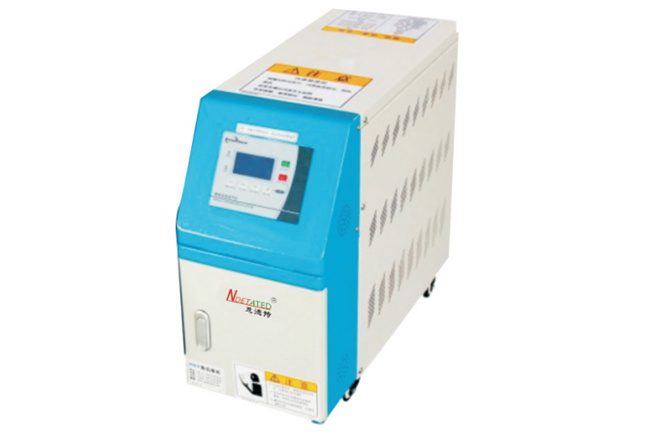
A Comprehensive Guide to Water Circulation Mold Temperature Controllers: Essential Insights for Optimal Performance
Table of Contents
1. Introduction to Water Circulation Mold Temperature Controllers
2. Understanding the Functionality of Mold Temperature Controllers
3. Key Components of Water Circulation Mold Temperature Controllers
4. Advantages of Using Water Circulation Mold Temperature Controllers
5. Applications of Water Circulation Mold Temperature Controllers
5.1. Injection Molding
5.2. Blow Molding
5.3. Extrusion Processes
6. Selecting the Right Mold Temperature Controller
7. Maintenance Tips for Optimal Performance
8. Common Issues and Troubleshooting
9. Conclusion
10. FAQs
1. Introduction to Water Circulation Mold Temperature Controllers
Water circulation mold temperature controllers are essential devices used in various industrial applications to regulate and maintain the temperature of molds. These controllers ensure that the molds achieve and maintain optimal temperatures, leading to improved product quality and consistency. As industries evolve, the demand for efficient temperature control has increased, making it crucial for professionals to understand the operating principles, benefits, and applications of these systems.
2. Understanding the Functionality of Mold Temperature Controllers
Mold temperature controllers (MTCs) work by circulating water or other fluids through the mold to maintain a specific temperature. The primary function of these controllers is to prevent overheating, which can lead to defects in products. They utilize a closed-loop system that includes a thermostat, pump, and heat exchanger to achieve precise temperature control.
The thermostat monitors the mold's temperature and relays information to the controller. If the temperature deviates from the setpoint, the system activates the pump to adjust the fluid flow, ensuring that the mold temperature remains consistent. This closed-loop system enables rapid temperature adjustments, which is crucial for processes like injection molding, where even slight temperature fluctuations can impact product quality.
3. Key Components of Water Circulation Mold Temperature Controllers
Understanding the components of water circulation mold temperature controllers is vital for selecting the right system and ensuring its optimal performance. The main components include:
3.1. Thermostat
The thermostat is the brain of the temperature control system. It continuously monitors the mold temperature and sends signals to the pump and heater to adjust fluid circulation and heating as necessary.
3.2. Pump
The pump circulates water or cooling fluid through the mold. Its capacity is crucial for maintaining uniform temperature distribution and effective heat transfer.
3.3. Heat Exchanger
A heat exchanger is responsible for transferring heat between the mold and the circulating fluid. It plays a crucial role in either heating or cooling the fluid before it enters the mold.
3.4. Control Panel
The control panel allows operators to set desired temperature levels, monitor system performance, and troubleshoot issues. Advances in technology have led to digital control panels that provide detailed information and greater ease of use.
4. Advantages of Using Water Circulation Mold Temperature Controllers
Water circulation mold temperature controllers offer numerous benefits, making them an invaluable asset in industrial settings. Some of the key advantages include:
4.1. Improved Product Quality
By maintaining precise mold temperatures, these controllers significantly reduce the likelihood of defects, such as warping and surface imperfections. This leads to higher-quality finished products.
4.2. Energy Efficiency
Modern mold temperature controllers are designed with energy efficiency in mind. They optimize fluid circulation and heating processes, thereby reducing energy consumption and lowering operational costs.
4.3. Increased Production Speeds
Consistent temperature control allows for faster cooling and solidification of molded products. This efficiency translates into shorter cycle times, enabling manufacturers to increase production rates.
4.4. Enhanced Process Control
With advanced monitoring and control systems, operators can quickly respond to temperature variations, ensuring that production processes remain stable and predictable.
5. Applications of Water Circulation Mold Temperature Controllers
Water circulation mold temperature controllers are versatile devices used across various industries. Here are some notable applications:
5.1. Injection Molding
In injection molding, mold temperature controllers play a crucial role in ensuring that the plastic achieves the desired properties. Consistent temperatures help prevent issues like short shots and uneven surface finishes.
5.2. Blow Molding
In blow molding applications, maintaining mold temperature is key to achieving uniform product thickness and strength. Controllers help in regulating the cooling rates, leading to better product integrity.
5.3. Extrusion Processes
For extrusion processes, mold temperature controllers ensure consistent processing conditions, which are vital for producing high-quality extruded products. Temperature variations can lead to inconsistencies in material properties and surface quality.
6. Selecting the Right Mold Temperature Controller
Choosing the right mold temperature controller involves evaluating various factors, including:
6.1. Application Requirements
Different applications may require varying temperature ranges and control precision. It is essential to choose a controller that meets specific requirements for each process.
6.2. Fluid Type
Consider the type of fluid being used for temperature control. Water is commonly used, but other fluids may be necessary for specialized applications.
6.3. Capacity and Size
Ensure that the selected controller has the appropriate capacity to handle the mold size and thermal load. This is crucial for maintaining efficient and effective temperature control.
6.4. Budget Constraints
While investing in high-quality equipment is essential, it's equally important to remain within budget. Compare options and choose a controller that offers the best balance between cost and performance.
7. Maintenance Tips for Optimal Performance
Regular maintenance is critical for ensuring the longevity and efficiency of water circulation mold temperature controllers. Here are some essential tips:
7.1. Regular Inspections
Conduct routine inspections of the system components, including the pump, thermostat, and heat exchanger. Look for signs of wear or damage that may affect performance.
7.2. Fluid Replacement
Ensure that the cooling fluid is replaced periodically to prevent contamination and maintain optimal heat transfer properties. The frequency of fluid replacement will depend on usage and operating conditions.
7.3. Cleaning the System
Debris and contaminants can accumulate within the system, affecting its efficiency. Regularly cleaning the pump and heat exchanger will help maintain performance.
7.4. Calibration
Periodically calibrate the thermostat and control system to ensure accurate temperature readings and adjustments. This is crucial for maintaining the desired mold temperature.
8. Common Issues and Troubleshooting
Even with proper maintenance, issues may arise with mold temperature controllers. Here are some common problems and how to troubleshoot them:
8.1. Temperature Fluctuations
If the mold temperature fluctuates excessively, check for proper calibration of the thermostat. Inspect the pump for obstructions or wear that may impact fluid circulation.
8.2. Insufficient Cooling or Heating
If the system fails to cool or heat effectively, examine the heat exchanger for blockages. Ensure that the correct fluid is being used, and that the pump is functioning properly.
8.3. System Leaks
Leaks can severely impact efficiency. Regularly inspect hoses and connections for signs of wear or damage, and replace any defective components immediately.
9. Conclusion
Water circulation mold temperature controllers are indispensable tools in modern industrial applications. Understanding their functionality, advantages, and maintenance requirements equips professionals to make informed decisions that enhance productivity and product quality. By selecting the right controller and implementing consistent maintenance practices, manufacturers can optimize their processes and achieve superior results.
10. FAQs
Q1: What is the primary function of water circulation mold temperature controllers?
A1: The primary function is to maintain precise temperature control in molds to ensure optimal product quality and consistency during manufacturing processes.
Q2: Can I use fluids other than water in these controllers?
A2: Yes, while water is the most common fluid, other cooling fluids can be used depending on the specific requirements of the application.
Q3: How often should I replace the cooling fluid?
A3: The frequency of fluid replacement depends on usage and operating conditions. Regular inspections can help determine when replacement is necessary.
Q4: What are the signs of a failing mold temperature controller?
A4: Common signs include temperature fluctuations, insufficient cooling/heating, and visible leaks in the system.
Q5: How can I improve the energy efficiency of my mold temperature controller?
A5: Regular maintenance, proper fluid management, and using controllers with energy-efficient designs can help improve energy efficiency.
Hot Tags:
Contact Us
E-mail:
celine@jsntp.com
Phone:
86-18913523538
Address:
Building 3, Wanyang Zhongchuang City, No. 99 Hongfu Road, Libao Town, Hai'an City, Nantong City, Jiangsu Province
Contact Information
Phone: 8618550003508
Add: Building 3, Wanyang Zhongchuang City, No. 99 Hongfu Road, Libao Town, Hai'an City, Nantong City, Jiangsu Province

Request Quote