
Essential Insights on Process Cooling Equipment for the Plastic Industry
Apr 05,2026

The plastic manufacturing process often involves high temperatures, especially during melting and molding. Therefore, implementing effective process cooling equipment is essential to ensure that the materials cool uniformly, thus preventing defects and ensuring the integrity of the final product. The choice of cooling systems can significantly affect production rates, energy consumption, and overall manufacturing efficiency.
One of the primary types of process cooling equipment used in the plastic industry is water-cooled chillers. These systems utilize water as a cooling medium, providing consistent temperature maintenance during various stages of production. Water-cooled chillers are particularly beneficial for large-scale operations that require continuous cooling, as they can handle high volumes of heat removal efficiently.
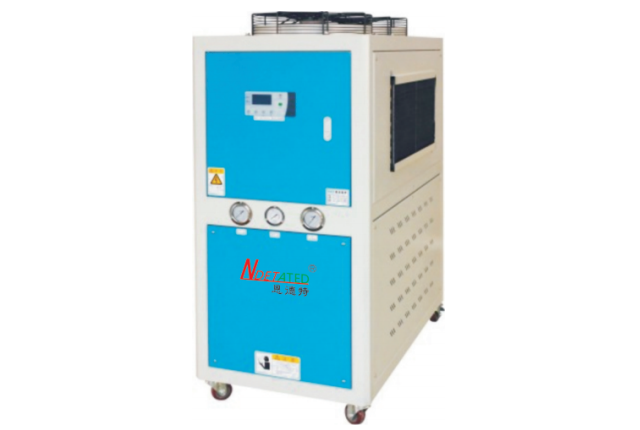
Another critical component is air-cooled chillers, which utilize ambient air to dissipate heat. These systems are ideal for operations with space constraints or in locations where water resources are limited. Although they might require more energy to operate than their water-cooled counterparts, advancements in technology have led to more energy-efficient models that can effectively serve the cooling needs of plastic manufacturing.
In addition to chillers, heat exchangers play a key role in process cooling. These devices transfer heat from one medium to another without mixing the two fluids, facilitating effective thermal management. For the plastic industry, heat exchangers are essential for balancing temperatures within machinery and ensuring that products are processed at optimal temperatures.
Moreover, incorporating temperature controls into the cooling systems is crucial. Automated temperature management systems can adjust cooling operations in real-time based on specific production requirements. This not only enhances the quality of the end products but also minimizes energy consumption and waste.
When selecting process cooling equipment, consider factors such as the cooling capacity required, the specific plastic materials being processed, and space availability in your facility. Understanding the thermal characteristics of your operation can guide you toward the most suitable equipment.
Lastly, regular maintenance of cooling systems is imperative to ensure their longevity and efficiency. Routine checks can prevent unexpected failures and extend the lifespan of the equipment, ultimately saving costs in the long run.
In summary, investing in the right process cooling equipment is crucial for the plastic industry. By understanding the types of available systems and their applications, manufacturers can enhance production efficiency, maintain product quality, and achieve significant energy savings. Proper implementation and maintenance of these cooling solutions are essential for thriving in the competitive landscape of plastic manufacturing.
One of the primary types of process cooling equipment used in the plastic industry is water-cooled chillers. These systems utilize water as a cooling medium, providing consistent temperature maintenance during various stages of production. Water-cooled chillers are particularly beneficial for large-scale operations that require continuous cooling, as they can handle high volumes of heat removal efficiently.
Another critical component is air-cooled chillers, which utilize ambient air to dissipate heat. These systems are ideal for operations with space constraints or in locations where water resources are limited. Although they might require more energy to operate than their water-cooled counterparts, advancements in technology have led to more energy-efficient models that can effectively serve the cooling needs of plastic manufacturing.
In addition to chillers, heat exchangers play a key role in process cooling. These devices transfer heat from one medium to another without mixing the two fluids, facilitating effective thermal management. For the plastic industry, heat exchangers are essential for balancing temperatures within machinery and ensuring that products are processed at optimal temperatures.
Moreover, incorporating temperature controls into the cooling systems is crucial. Automated temperature management systems can adjust cooling operations in real-time based on specific production requirements. This not only enhances the quality of the end products but also minimizes energy consumption and waste.
When selecting process cooling equipment, consider factors such as the cooling capacity required, the specific plastic materials being processed, and space availability in your facility. Understanding the thermal characteristics of your operation can guide you toward the most suitable equipment.
Lastly, regular maintenance of cooling systems is imperative to ensure their longevity and efficiency. Routine checks can prevent unexpected failures and extend the lifespan of the equipment, ultimately saving costs in the long run.
In summary, investing in the right process cooling equipment is crucial for the plastic industry. By understanding the types of available systems and their applications, manufacturers can enhance production efficiency, maintain product quality, and achieve significant energy savings. Proper implementation and maintenance of these cooling solutions are essential for thriving in the competitive landscape of plastic manufacturing.
Hot Tags:
Contact Us
E-mail:
celine@jsntp.com
Phone:
86-18913523538
Address:
Building 3, Wanyang Zhongchuang City, No. 99 Hongfu Road, Libao Town, Hai'an City, Nantong City, Jiangsu Province
Contact Information
Phone: 8618550003508
Add: Building 3, Wanyang Zhongchuang City, No. 99 Hongfu Road, Libao Town, Hai'an City, Nantong City, Jiangsu Province

Request Quote