
Why Choose Energy Efficient Air Cooled Chillers for Your Industrial Needs?
Mar 01,2026
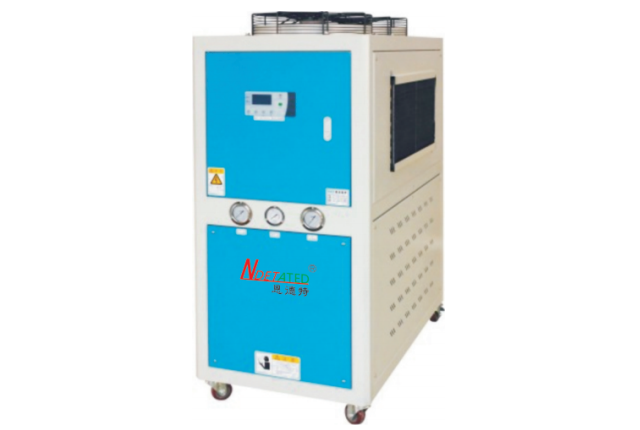
Why Choose Energy Efficient Air Cooled Chillers for Your Industrial Needs?
Understanding Air Cooled Chillers
Air-cooled chillers are essential components in many industrial cooling systems. These devices are designed to remove heat from a process fluid through a vapor-compression or absorption refrigeration cycle. Unlike water-cooled chillers, which rely on a cooling tower and water source, air-cooled chillers utilize ambient air to dissipate heat. This fundamental difference makes them a popular choice in various industrial applications.
The Importance of Energy Efficiency
In today’s competitive market, energy efficiency is not just a buzzword; it is a crucial aspect of operational success. Energy-efficient chillers help reduce energy consumption, leading to lower operational costs. In sectors where cooling demands are significant, such as manufacturing, pharmaceuticals, and food processing, the benefits of utilizing energy-efficient air-cooled chillers become even more pronounced.
Key Benefits of Energy Efficient Air Cooled Chillers
1. Cost Savings
One of the primary motivations for investing in energy-efficient air-cooled chillers is substantial cost savings. These systems are designed to consume less energy, which translates to lower utility bills. Over time, the reduced energy consumption can lead to significant financial savings for your industrial facility. Additionally, many governments offer incentives for energy-efficient equipment, further enhancing the financial benefits.
2. Enhanced Performance
Energy-efficient chillers are designed to provide superior cooling performance. They maintain optimal temperatures even in high-demand situations, ensuring that your production processes run smoothly. By choosing a high-efficiency model, you can improve the overall reliability of your cooling system, reducing the risk of equipment failures and production downtimes.
3. Environmental Sustainability
Reducing energy consumption also has a positive impact on the environment. Energy-efficient air-cooled chillers emit fewer greenhouse gases, contributing to a smaller carbon footprint for your industrial facility. By making the switch to energy-efficient options, you demonstrate your commitment to sustainable practices, which can enhance your brand image and attract environmentally conscious customers.
4. Longer Lifespan
Investing in energy-efficient chillers often leads to longer equipment lifespans. These systems are built with advanced technology and high-quality materials, allowing them to withstand prolonged use without significant wear and tear. Furthermore, by operating more efficiently and reliably, these chillers can minimize the strain on other components in your cooling system.
5. Reduced Maintenance Costs
Energy-efficient chillers typically require less maintenance due to their advanced design and technology. With fewer breakdowns and issues, your facility can save on maintenance costs and labor. This reliability allows your maintenance team to focus on other critical areas, optimizing operational efficiency.
How to Choose the Right Energy Efficient Air Cooled Chiller
Choosing the right energy-efficient air-cooled chiller for your industrial needs involves careful consideration of several factors.
1. Assess Your Cooling Requirements
Begin by evaluating your specific cooling requirements. Consider the types of processes you need to cool, the temperature ranges required, and the volume of fluid needing to be chilled. Proper assessment ensures that you select a chiller with the appropriate capacity to meet your operational needs.
2. Evaluate Energy Efficiency Ratings
Familiarize yourself with energy efficiency ratings such as the Energy Efficiency Ratio (EER) and the Coefficient of Performance (COP). Higher ratings indicate better energy performance. Look for chillers that meet or exceed industry standards to maximize your investment.
3. Consider the Overall System Design
The design of your cooling system is critical for achieving maximum efficiency. Ensure that the air-cooled chiller integrates seamlessly with your existing infrastructure. Consulting with an HVAC professional can help you optimize the configuration for peak performance.
4. Evaluate Manufacturer Reputation
Choose a manufacturer known for producing reliable, energy-efficient equipment. Research customer reviews, industry certifications, and the warranty options they offer. A reputable manufacturer will provide ongoing support and service, ensuring your chiller performs optimally throughout its lifespan.
5. Analyze Initial Costs vs. Long-term Savings
While energy-efficient chillers may come with higher upfront costs, it’s essential to assess the long-term savings they provide. Calculate the return on investment (ROI) based on energy savings, maintenance reductions, and potential rebates or incentives.
Best Practices for Operating Your Air Cooled Chillers
To maximize the efficiency and lifespan of your energy-efficient air-cooled chillers, follow these best practices:
1. Regular Maintenance
Develop a routine maintenance schedule to keep your chillers operating at peak efficiency. Regular inspections, cleaning, and component checks can help identify potential issues before they escalate.
2. Monitor Performance
Utilize monitoring systems to track the performance of your chillers. By keeping an eye on energy consumption and performance metrics, you can make informed decisions about operational adjustments to enhance efficiency.
3. Optimize System Controls
Integrate smart control systems that can adjust cooling output based on real-time demand. These systems can help reduce energy consumption during periods of lower cooling needs, contributing to overall efficiency.
4. Ensure Proper Airflow
Maintain clear airflow around the chiller unit to prevent overheating. Regularly check for obstructions and ensure that the installation site is suitable for optimal heat dissipation.
5. Train Staff
Educate your team on the importance of energy efficiency and proper chiller operation. Well-informed staff can contribute to better maintenance practices and foster a culture of sustainability within your facility.
Common Myths About Air Cooled Chillers
As with any technology, misconceptions can cloud the selection and operation of air-cooled chillers. Here are some common myths debunked:
Myth 1: They Are Noisy
While air-cooled chillers can produce noise, modern designs prioritize noise reduction. Many units come equipped with sound-dampening technology that significantly lowers operational noise levels, making them suitable for various environments.
Myth 2: They Are Less Efficient Than Water-Cooled Chillers
Energy-efficient air-cooled chillers have come a long way in terms of efficiency. Advanced technology and engineering have made these systems competitive with traditional water-cooled units, especially in smaller applications.
Myth 3: They Require More Maintenance
As previously mentioned, energy-efficient chillers often require less maintenance due to their advanced designs. While all equipment needs care, the reliability of energy-efficient models can reduce downtime and maintenance frequency.
FAQs About Energy Efficient Air Cooled Chillers
1. What are air-cooled chillers used for?
Air-cooled chillers are used in various industrial applications to provide reliable cooling for processes, equipment, and facilities, ensuring optimal operational conditions.
2. How do I know if my chiller is energy efficient?
Check the chiller’s EER and COP ratings. Higher ratings indicate better energy performance, helping you assess its efficiency.
3. Are there financial incentives for upgrading to energy-efficient chillers?
Many governments and utilities offer rebates and incentives for upgrading to energy-efficient equipment. Research available programs in your area to maximize savings.
4. Can energy-efficient chillers operate in all climates?
Energy-efficient air-cooled chillers are designed to operate in various climates. However, extreme temperatures may impact their efficiency. Consult with manufacturers for specific climate considerations.
5. How can I improve the lifespan of my chiller?
Regular maintenance, proper airflow, optimized controls, and staff training can significantly enhance the lifespan and efficiency of your air-cooled chiller.
Conclusion
Choosing energy-efficient air-cooled chillers for your industrial needs is a strategic decision that can lead to substantial benefits. From cost savings and enhanced performance to improved environmental sustainability, these systems offer a range of advantages that can significantly impact your operations. By carefully evaluating your cooling requirements, selecting high-quality equipment, and adhering to best operational practices, you can enjoy the long-term advantages of energy efficiency in your industrial cooling solutions.
Hot Tags:
Contact Us
E-mail:
celine@jsntp.com
Phone:
86-18913523538
Address:
Building 3, Wanyang Zhongchuang City, No. 99 Hongfu Road, Libao Town, Hai'an City, Nantong City, Jiangsu Province
Contact Information
Phone: 8618550003508
Add: Building 3, Wanyang Zhongchuang City, No. 99 Hongfu Road, Libao Town, Hai'an City, Nantong City, Jiangsu Province

Request Quote