
Understanding Compact Mold Temperature Controller Units: A Key Component in Industrial Cooling Solutions
Apr 25,2026
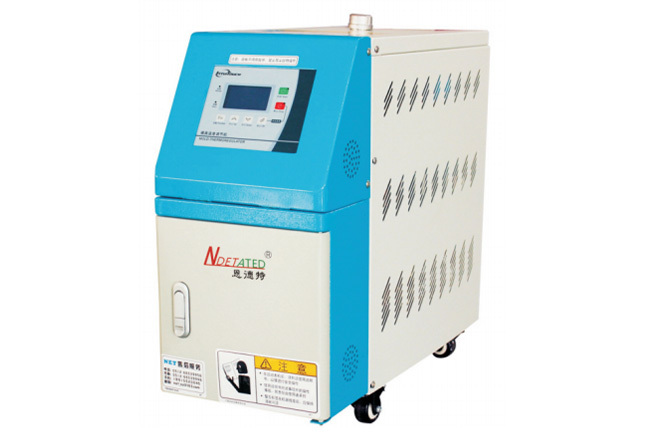
In the industrial sector, the efficiency of cooling systems is paramount. Among the vital components that ensure optimal performance are compact mold temperature controller units (CMTUs). These specialized devices play a crucial role in maintaining precise temperature control during the molding process, which is particularly important in industries such as plastics and metals.
A compact mold temperature controller unit functions by circulating temperature-controlled fluids through molds. This circulation helps in regulating the temperature of the mold surface, ensuring that the material within the mold solidifies uniformly. Consistent temperature regulation is essential for preventing defects in the final product, improving quality, and reducing waste.
One of the most significant advantages of using CMTUs is their compact design. Unlike traditional temperature control systems, which may be bulky and require significant space, compact units are designed to fit into smaller areas without compromising on performance. This feature is particularly advantageous in manufacturing environments where space is limited and efficiency is key.
Moreover, CMTUs offer a range of temperature settings and can be easily adjusted to meet the specific requirements of different processes. This versatility is crucial in industries where different materials and products require varying temperature profiles. Additionally, many modern compact mold temperature controllers are equipped with advanced features such as digital displays and programmable settings, allowing operators to monitor and adjust temperature settings with ease.
Energy efficiency is another critical aspect of compact mold temperature controller units. By optimizing the heating and cooling cycles, these units can significantly reduce energy consumption, leading to lower operational costs over time. As industries strive to enhance sustainability, the adoption of energy-efficient technologies like CMTUs can contribute to greener production processes.
Furthermore, the integration of compact mold temperature controllers into existing systems can lead to improved workflow and productivity. When molds are maintained at optimal temperatures, production cycles can be shortened, and the risk of downtime due to temperature-related issues is minimized. This advantage translates into faster turnaround times and increased output, which are vital in today’s competitive manufacturing landscape.
In conclusion, compact mold temperature controller units are indispensable in the realm of industrial cooling solutions. Their compactness, versatility, energy efficiency, and ability to enhance product quality make them an essential investment for manufacturers looking to improve their processes. Understanding the role of CMTUs can lead to more informed decisions about equipment purchases and upgrades in the constantly evolving industrial equipment landscape. Embracing these innovative technologies can pave the way for superior production capabilities and sustainable practices in various industries.
A compact mold temperature controller unit functions by circulating temperature-controlled fluids through molds. This circulation helps in regulating the temperature of the mold surface, ensuring that the material within the mold solidifies uniformly. Consistent temperature regulation is essential for preventing defects in the final product, improving quality, and reducing waste.
One of the most significant advantages of using CMTUs is their compact design. Unlike traditional temperature control systems, which may be bulky and require significant space, compact units are designed to fit into smaller areas without compromising on performance. This feature is particularly advantageous in manufacturing environments where space is limited and efficiency is key.
Moreover, CMTUs offer a range of temperature settings and can be easily adjusted to meet the specific requirements of different processes. This versatility is crucial in industries where different materials and products require varying temperature profiles. Additionally, many modern compact mold temperature controllers are equipped with advanced features such as digital displays and programmable settings, allowing operators to monitor and adjust temperature settings with ease.
Energy efficiency is another critical aspect of compact mold temperature controller units. By optimizing the heating and cooling cycles, these units can significantly reduce energy consumption, leading to lower operational costs over time. As industries strive to enhance sustainability, the adoption of energy-efficient technologies like CMTUs can contribute to greener production processes.
Furthermore, the integration of compact mold temperature controllers into existing systems can lead to improved workflow and productivity. When molds are maintained at optimal temperatures, production cycles can be shortened, and the risk of downtime due to temperature-related issues is minimized. This advantage translates into faster turnaround times and increased output, which are vital in today’s competitive manufacturing landscape.
In conclusion, compact mold temperature controller units are indispensable in the realm of industrial cooling solutions. Their compactness, versatility, energy efficiency, and ability to enhance product quality make them an essential investment for manufacturers looking to improve their processes. Understanding the role of CMTUs can lead to more informed decisions about equipment purchases and upgrades in the constantly evolving industrial equipment landscape. Embracing these innovative technologies can pave the way for superior production capabilities and sustainable practices in various industries.
Hot Tags:
PREVIOUS:
Contact Us
E-mail:
celine@jsntp.com
Phone:
86-18913523538
Address:
Building 3, Wanyang Zhongchuang City, No. 99 Hongfu Road, Libao Town, Hai'an City, Nantong City, Jiangsu Province
Contact Information
Phone: 8618550003508
Add: Building 3, Wanyang Zhongchuang City, No. 99 Hongfu Road, Libao Town, Hai'an City, Nantong City, Jiangsu Province

Request Quote