
Mastering Production Efficiency with Water Circulation Mold Temperature Controllers
Apr 20,2026
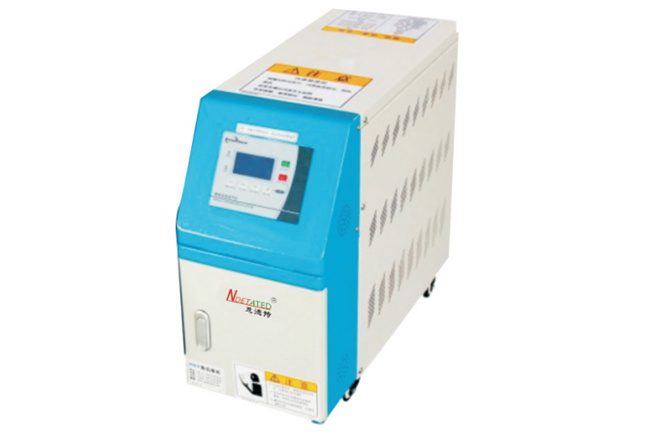
Mastering Production Efficiency with Water Circulation Mold Temperature Controllers
In today's fast-paced industrial environment, achieving optimal production efficiency is paramount. One key technology that significantly contributes to this goal is the **water circulation mold temperature controller (MTC)**. These devices play a crucial role in maintaining precise temperature control during the molding process, ensuring that products are manufactured with the highest quality and consistency. In this article, we will explore how water circulation mold temperature controllers can optimize production, enhance product quality, and drive energy efficiency.
Understanding Mold Temperature Controllers
Before diving into the benefits and applications of water circulation mold temperature controllers, it is essential to understand what they are and how they operate. Mold temperature controllers are systems designed to regulate the temperature of molds used in manufacturing processes such as injection molding, blow molding, and casting.
How Water Circulation Mold Temperature Controllers Work
Water circulation mold temperature controllers utilize a closed-loop system to circulate water through the mold. The process typically involves the following components:
1. **Heating Element**: This element heats the water to the desired temperature before it enters the mold.
2. **Circulation Pump**: The pump moves the heated water through the mold, ensuring uniform temperature distribution.
3. **Temperature Sensors**: These sensors monitor the mold temperature, providing real-time data for precise control.
4. **Control Unit**: The control unit adjusts the heating element and pump speed based on the feedback from temperature sensors, maintaining the mold at the set temperature.
This closed-loop system ensures that the molding process remains consistent and efficient, ultimately improving the quality of the final product.
The Significance of Temperature Control in Production
Temperature control is a critical factor in production processes, especially in industries that rely on molding techniques. Inadequate temperature control can lead to several issues, including:
- **Defective Products**: Variations in temperature can result in uneven cooling or heating, leading to defects in the final product.
- **Longer Cycle Times**: Inconsistent temperatures can extend production cycles, reducing overall efficiency.
- **Increased Energy Consumption**: Improper temperature management can result in unnecessary energy expenditure as machines work harder to compensate.
By using water circulation mold temperature controllers, manufacturers can effectively mitigate these issues.
Benefits of Implementing Water Circulation Mold Temperature Controllers
The implementation of water circulation mold temperature controllers in production lines offers numerous benefits:
1. Enhanced Product Quality
Consistent temperature control is essential for producing high-quality products. Water circulation MTCs ensure uniform heating and cooling of molds, reducing the likelihood of defects such as warping, cracking, and surface imperfections.
2. Reduced Cycle Times
Efficient temperature management leads to shorter cycle times. By maintaining optimal mold temperatures, production processes can run more smoothly, allowing for faster turnaround times and increased output.
3. Energy Efficiency
Water is a highly efficient medium for heat transfer. When used in mold temperature controllers, it minimizes energy consumption compared to other heating methods. This not only reduces operational costs but also contributes to sustainability efforts within manufacturing plants.
4. Improved Process Stability
The stability of the molding process is enhanced with the use of water circulation MTCs. By consistently monitoring and adjusting the mold temperatures, manufacturers can achieve a more reliable production environment, leading to fewer variations and higher product consistency.
5. Simplified Maintenance and Operation
Modern water circulation mold temperature controllers are designed for ease of use and maintenance. With intuitive interfaces and automated control systems, operators can easily monitor and adjust settings, ensuring that the production process runs smoothly.
Applications of Water Circulation Mold Temperature Controllers in Various Industries
Water circulation mold temperature controllers are versatile devices that find applications across multiple industries. Here are some of the key sectors benefiting from their use:
1. Plastics Industry
In the plastics sector, water circulation MTCs are commonly used in injection molding processes. They help maintain optimal mold temperatures, ensuring that plastic products are formed correctly and adhere to quality standards.
2. Automotive Industry
Automotive manufacturers utilize water circulation mold temperature controllers to produce components such as dashboards, bumpers, and other plastic parts. Consistent temperature control helps achieve tight tolerances and high-quality finishes.
3. Electronics Industry
In the electronics industry, water circulation MTCs are employed in the production of housings and enclosures. Proper temperature control is vital to avoid warping and ensure that components fit correctly.
4. Medical Device Manufacturing
Medical device manufacturers rely on precise molding processes to produce components that meet stringent regulatory standards. Water circulation mold temperature controllers play a crucial role in maintaining quality and compliance.
Choosing the Right Water Circulation Mold Temperature Controller
When selecting a water circulation mold temperature controller for your production line, several factors must be considered:
1. Temperature Range
Choose a controller that can operate within the temperature range required for your specific application. Different materials and processes may necessitate varying temperature settings.
2. Flow Rate
The flow rate of the circulating water is essential for achieving uniform temperature distribution. Ensure that the controller can handle the required flow rate for your mold size and design.
3. Control Features
Look for controllers with advanced control features, such as digital displays, programmable settings, and connectivity options for remote monitoring. These features enhance usability and efficiency.
4. Energy Efficiency
Select a water circulation mold temperature controller that prioritizes energy efficiency. Look for models with high-efficiency pumps and heating elements to reduce operating costs.
Maintenance Tips for Water Circulation Mold Temperature Controllers
Proper maintenance is crucial for the longevity and efficiency of water circulation mold temperature controllers. Here are some tips to keep your systems running smoothly:
1. Regular Inspections
Perform routine inspections of the system, checking for leaks, damaged components, and general wear and tear. Address any issues promptly to prevent costly downtime.
2. Clean Water Reservoirs
Contaminants in the water can affect the performance of the temperature controller. Regularly clean the water reservoirs and ensure that the circulating water remains free from debris.
3. Monitor Temperature Sensors
Check the calibration of temperature sensors regularly to ensure accurate readings. Any discrepancies can lead to improper temperature control and production issues.
4. Schedule Professional Servicing
Consider scheduling professional servicing for your water circulation mold temperature controllers at regular intervals. Technicians can perform detailed inspections and address any potential concerns before they escalate.
FAQs about Water Circulation Mold Temperature Controllers
1. What are the primary advantages of using water circulation mold temperature controllers?
Using water circulation mold temperature controllers enhances product quality, reduces cycle times, increases energy efficiency, and improves process stability.
2. How do I determine the appropriate flow rate for my application?
The appropriate flow rate can be determined by considering the mold size, the material being processed, and the specific requirements of your production line.
3. Can water circulation mold temperature controllers be integrated with existing systems?
Yes, many modern controllers are designed for easy integration with existing production systems, allowing for seamless upgrades and improvements.
4. How often should I perform maintenance on my temperature controller?
Routine maintenance should be performed monthly, with more comprehensive inspections scheduled every six months or as needed based on usage.
5. What is the typical lifespan of a water circulation mold temperature controller?
The lifespan of a water circulation mold temperature controller depends on usage and maintenance but can typically last anywhere from 5 to 15 years with proper care.
Conclusion
In conclusion, **water circulation mold temperature controllers** are indispensable tools for optimizing production in various industrial settings. By ensuring precise temperature control, these devices enhance product quality, reduce cycle times, and improve energy efficiency. As industries continue to strive for greater efficiency and sustainability, the role of water circulation mold temperature controllers will only become more critical. Investing in this technology is a strategic decision that can yield significant long-term benefits, making it an essential component of modern manufacturing processes. By understanding their applications, benefits, and maintenance, manufacturers can leverage this technology to meet and exceed industry demands.
Hot Tags:
PREVIOUS:
Contact Us
E-mail:
celine@jsntp.com
Phone:
86-18913523538
Address:
Building 3, Wanyang Zhongchuang City, No. 99 Hongfu Road, Libao Town, Hai'an City, Nantong City, Jiangsu Province
Contact Information
Phone: 8618550003508
Add: Building 3, Wanyang Zhongchuang City, No. 99 Hongfu Road, Libao Town, Hai'an City, Nantong City, Jiangsu Province

Request Quote