
Top Features to Look for in High Temp Oil Mold Temperature Controllers
Jan 20,2026
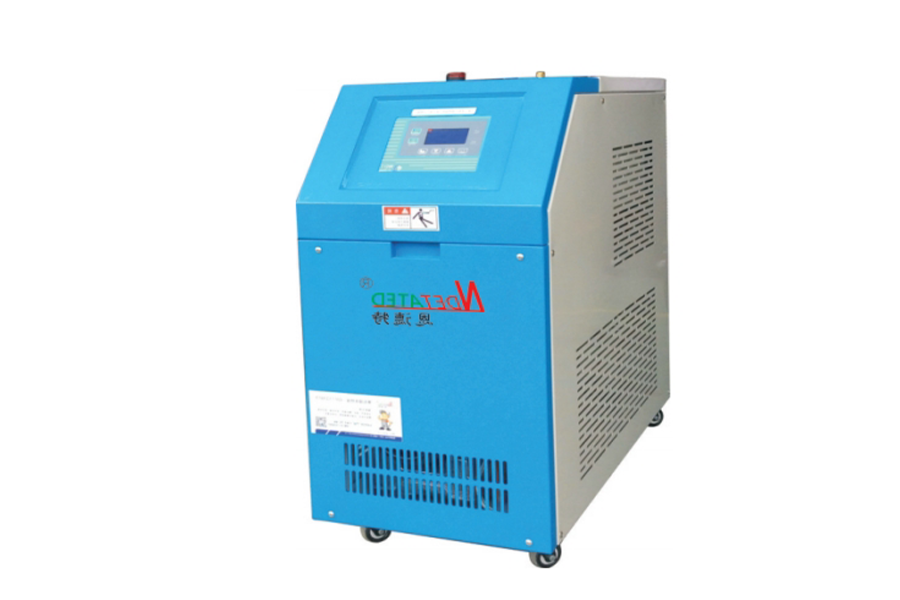
Top Features to Look for in High Temp Oil Mold Temperature Controllers
Introduction to High Temp Oil Mold Temperature Controllers
In the world of manufacturing, particularly within the molding process, maintaining optimal temperatures is crucial. High temp oil mold temperature controllers offer the precision necessary for consistent product quality. Understanding the key features of these controllers can significantly enhance operational efficiency and yield superior results in your production line.
Why Temperature Control is Critical in Molding Processes
Temperature management plays a vital role in molding processes. Fluctuations can lead to defects, inconsistent product quality, and increased production costs. By employing high-quality oil mold temperature controllers, manufacturers can ensure uniform heat distribution, thereby optimizing the molding process.
Understanding High Temp Oil Mold Temperature Controllers
High temp oil mold temperature controllers are designed to withstand extreme temperatures, often exceeding 350°F (177°C). These devices utilize oil as a heat transfer medium, providing efficient temperature regulation. Their design focuses on stability and responsiveness, traits essential for industrial applications.
Key Features to Look For
1. **Temperature Range and Stability**
One of the standout features of high temp oil mold temperature controllers is their temperature range. Look for controllers that offer a wide operational range, ideally from ambient temperatures up to 400°F (204°C). Moreover, stability is crucial; a good controller should maintain temperature fluctuations within ±1°F, ensuring precision in your molding operations.
2. **User-Friendly Interface**
A user-friendly interface enhances operational efficiency. Look for controllers equipped with an intuitive digital display that provides real-time temperature readings and allows for easy adjustments. Touchscreen controls, programmable settings, and clear navigational menus can greatly reduce the learning curve for operators.
3. **Advanced Control Algorithms**
High temp oil mold temperature controllers should incorporate advanced PID (Proportional-Integral-Derivative) control algorithms. These algorithms adapt to temperature changes, adjusting heating elements accordingly to minimize fluctuations. This feature is essential for maintaining consistent temperatures, particularly during intricate molding processes.
4. **Durability and Build Quality**
Given the high-temperature environments these controllers operate in, durability is non-negotiable. Look for units constructed from robust materials with heat-resistant coatings. High-quality construction prevents wear and tear, ensuring longevity and reliability in demanding industrial settings.
5. **Safety Features**
Safety should always be a priority. High temp oil mold temperature controllers must include multiple safety features such as over-temperature protection, leak detection, and emergency shut-off mechanisms. These features not only safeguard the equipment but also protect personnel and the surrounding environment.
6. **Energy Efficiency**
In today’s manufacturing landscape, energy efficiency is paramount. Controllers that incorporate energy-saving technologies are not only cost-effective but also environmentally friendly. Look for models that offer adjustable power settings, allowing for optimal energy consumption based on operational needs.
7. **Versatility and Customization Options**
The best high temp oil mold temperature controllers are versatile, capable of handling various applications. Additionally, the ability to customize settings based on specific molding processes allows for greater flexibility. This adaptability can lead to improved production efficiency and reduced downtime.
8. **Integration Capabilities**
Seamless integration with existing manufacturing systems can significantly enhance operational workflows. Controllers that offer connectivity options—such as Ethernet, Wi-Fi, or MODBUS—facilitate real-time monitoring and data collection. This integration helps in troubleshooting and optimizing processes, leading to increased efficiency.
Maintenance Tips for High Temp Oil Mold Temperature Controllers
To ensure the longevity and efficiency of high temp oil mold temperature controllers, regular maintenance is essential:
Regular Calibration
Routine calibration is crucial for maintaining accuracy. Schedule regular checks to verify that temperature readings align with actual conditions. This practice prevents discrepancies that could affect production.
Inspection for Wear and Tear
Frequent inspections can identify potential issues before they escalate. Look for signs of wear in electrical components, seals, and connections, and replace any damaged parts promptly to avoid operational disruptions.
Cleaning and Upkeep
Dust and debris can impact performance. Regularly clean the unit, ensuring that air vents and heating elements remain unobstructed. Following the manufacturer’s recommendations for cleaning procedures will help maintain optimal performance.
Software Updates
If your temperature controller features software, ensure it is regularly updated. Manufacturers often release updates that enhance functionality and address any bugs, contributing to improved performance.
Conclusion: Making the Right Choice
Selecting the right high temp oil mold temperature controller is imperative for achieving precise temperature management in your manufacturing processes. By focusing on features such as temperature stability, user interface, safety, and energy efficiency, businesses can enhance productivity and ensure product quality. Investing in a high-quality temperature controller not only streamlines operations but also positions your business for sustained success in the competitive manufacturing landscape.
FAQs about High Temp Oil Mold Temperature Controllers
1. What is the ideal temperature range for high temp oil mold temperature controllers?
The ideal temperature range typically spans from ambient temperatures up to 400°F (204°C), allowing for versatile applications in various molding processes.
2. How can I ensure my temperature controller operates efficiently?
Regular calibration, routine inspections, and adherence to cleaning protocols are critical for maintaining efficiency in high temp oil mold temperature controllers.
3. Are there energy-efficient options available for these controllers?
Yes, many modern high temp oil mold temperature controllers incorporate energy-saving technologies that optimize power usage based on operational requirements.
4. What safety features should I look for?
Key safety features include over-temperature protection, leak detection systems, and emergency shut-off mechanisms, which are essential for protecting both equipment and personnel.
5. Can high temp oil mold temperature controllers integrate with other manufacturing systems?
Yes, many controllers come equipped with connectivity options, allowing for integration with existing manufacturing systems for improved monitoring and efficiency.
By understanding the essential features of high temp oil mold temperature controllers, manufacturers can make informed decisions that enhance productivity, ensure safety, and maintain quality in their operations.
Hot Tags:
Contact Us
E-mail:
celine@jsntp.com
Phone:
86-18913523538
Address:
Building 3, Wanyang Zhongchuang City, No. 99 Hongfu Road, Libao Town, Hai'an City, Nantong City, Jiangsu Province
Contact Information
Phone: 8618550003508
Add: Building 3, Wanyang Zhongchuang City, No. 99 Hongfu Road, Libao Town, Hai'an City, Nantong City, Jiangsu Province

Request Quote