
How a High Temperature Mold Temperature Controller Enhances Energy Efficiency
Dec 31,2025
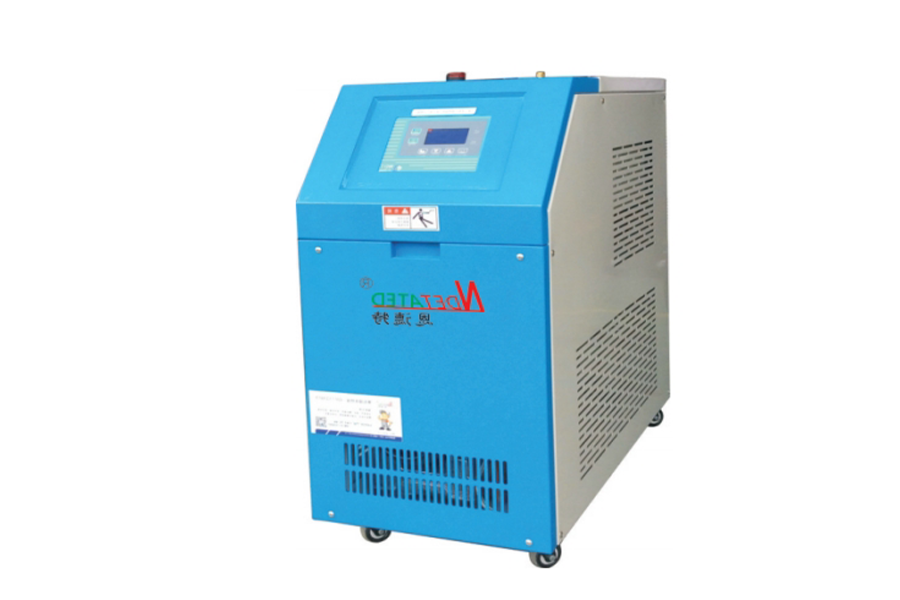
How a High Temperature Mold Temperature Controller Enhances Energy Efficiency
Introduction to High Temperature Mold Temperature Controllers
In the realm of manufacturing, efficiency is key. A High Temperature Mold Temperature Controller (HTMTC) is a specialized device designed to maintain optimal temperatures in molding processes. By regulating temperature precisely, these controllers enhance energy efficiency, reduce waste, and improve product quality. This article explores the importance of HTMTCs in modern manufacturing and how they can significantly impact energy consumption and operational costs.
The Role of Temperature Control in Manufacturing
Temperature control is critical in various manufacturing processes, especially in industries like plastics, rubber, and metal. When molds operate at the correct temperatures, they ensure proper material flow, prevent defects, and enhance the overall quality of the final product. Here, we will examine how temperature influences production and the importance of investing in effective temperature control solutions.
The Science Behind Temperature Management
Effective temperature management is grounded in thermodynamics, which studies how heat and energy transfer affect materials. When molds are heated or cooled improperly, several issues can arise, including:
- **Inconsistent material properties**: Variations in temperature can lead to differences in density and strength.
- **Extended cycle times**: Inaccurate temperature control can require longer cooling periods, slowing down production.
- **Increased energy consumption**: Inefficient temperature regulation can lead to unnecessary energy expenditure.
By implementing an HTMTC, manufacturers can maintain precise temperature settings, allowing for optimal material properties and reduced cycle times.
Understanding Energy Efficiency in Manufacturing
Energy efficiency refers to the ability to produce goods while minimizing energy consumption. In manufacturing, achieving energy efficiency is vital for several reasons, including cost reduction, environmental sustainability, and competitiveness in the market. High energy costs can erode profit margins, and by optimizing energy usage, companies can improve their bottom line.
The Benefits of Energy Efficiency
Investing in energy-efficient technologies, such as HTMTCs, yields numerous advantages:
1. **Cost Savings**: Reduced energy consumption directly correlates with lower utility bills.
2. **Enhanced Productivity**: Efficient energy use often leads to faster production cycles and improved throughput.
3. **Environmental Sustainability**: Lower energy usage translates to reduced carbon emissions, aligning with corporate social responsibility goals.
4. **Regulatory Compliance**: Many regions have strict energy regulations; adopting efficient technologies can help businesses comply.
How High Temperature Mold Temperature Controllers Work
HTMTCs function by precisely regulating the mold temperature throughout the production process. They utilize advanced technology and sensors to monitor temperatures and adjust heating or cooling mechanisms accordingly.
Key Components of High Temperature Mold Temperature Controllers
Understanding how HTMTCs work involves looking at their key components:
- **Temperature Sensors**: These devices monitor the current temperature of the mold, sending real-time data to the controller.
- **Control Unit**: The brain of the HTMTC, this unit processes sensor data and makes necessary adjustments to heating or cooling systems.
- **Heating Element**: This component is responsible for providing heat to the mold, ensuring it reaches the desired temperature quickly.
- **Cooling System**: An efficient cooling system is crucial for rapid temperature adjustments, minimizing delays in production.
Energy Efficiency Advantages of High Temperature Mold Temperature Controllers
High Temperature Mold Temperature Controllers bring several energy efficiency advantages to manufacturing processes:
1. Precision Temperature Control
HTMTCs offer unparalleled precision in temperature management. By maintaining consistent temperatures, manufacturers can reduce energy wastage and improve product quality. Precise control minimizes the need for excessive heating or cooling, directly impacting energy usage.
2. Reduced Cycle Times
By optimizing the heating and cooling processes, HTMTCs can significantly shorten production cycles. Faster cycle times mean more products can be manufactured in a shorter period, leading to increased overall energy efficiency.
3. Decreased Maintenance Costs
Efficient temperature control leads to fewer defects and less wear on machinery, resulting in reduced maintenance costs. This not only saves energy but also extends the lifespan of equipment.
4. Enhanced Material Quality
Maintaining optimal temperatures allows for better material properties in the final product. This improves quality and reduces the amount of material wasted due to defects.
5. Lower Carbon Footprint
By improving energy efficiency, companies can reduce their carbon footprint. This is increasingly important in today's market, where consumers and businesses alike are prioritizing environmentally friendly practices.
Implementing High Temperature Mold Temperature Controllers in Your Facility
Adopting HTMTCs requires careful planning and consideration. Here’s how to effectively implement these controllers in your manufacturing facility:
Step 1: Assess Your Current Systems
Evaluate your existing temperature control systems and identify areas for improvement. Consider factors like energy consumption, production cycle times, and product quality.
Step 2: Choose the Right HTMTC
Selecting the appropriate controller for your specific needs is crucial. Factors to consider include the maximum temperature range, control precision, and compatibility with existing machinery.
Step 3: Train Your Staff
Proper training is essential for maximizing the benefits of HTMTCs. Ensure your staff is well-versed in the operation and maintenance of these systems.
Step 4: Monitor Performance
After implementation, continuously monitor the performance of your HTMTCs. Track energy usage, production efficiency, and product quality to ensure you are reaping the full benefits of the system.
Real-World Case Studies: Success Stories with HTMTCs
Exploring real-world applications of High Temperature Mold Temperature Controllers can provide valuable insights into their effectiveness.
Case Study 1: Plastics Manufacturing Company
A leading plastics manufacturer implemented HTMTCs across its production lines. By improving temperature precision, the company reduced energy consumption by 25%, cut cycle times by 15%, and enhanced product quality, resulting in significant cost savings.
Case Study 2: Automotive Parts Manufacturer
An automotive parts manufacturer faced challenges with inconsistent product quality due to temperature variations. After adopting HTMTCs, they achieved a 30% reduction in defects and a 20% improvement in production speed, demonstrating the critical role of temperature control in quality assurance.
Frequently Asked Questions (FAQs)
1. What is a High Temperature Mold Temperature Controller?
A High Temperature Mold Temperature Controller is a device that regulates the temperature of molds during the manufacturing process to enhance efficiency and product quality.
2. How does temperature affect manufacturing processes?
Temperature influences material properties, production speed, and energy consumption; improper temperature management can lead to defects and increased costs.
3. What are the benefits of using HTMTCs?
Benefits include improved energy efficiency, reduced cycle times, enhanced product quality, and lower maintenance costs.
4. Can HTMTCs help reduce energy consumption?
Yes, by providing precise temperature control and optimizing production processes, HTMTCs significantly reduce energy consumption.
5. How do I choose the right HTMTC for my facility?
Consider factors such as the required temperature range, control precision, compatibility with existing equipment, and production needs when selecting an HTMTC.
Conclusion
In today’s competitive manufacturing landscape, energy efficiency is more important than ever. High Temperature Mold Temperature Controllers play a vital role in achieving this efficiency by ensuring precise temperature control, reducing cycle times, and enhancing product quality. Through careful implementation and monitoring, manufacturers can reap significant benefits, including cost savings and a reduced environmental impact. By investing in HTMTC technology, companies not only improve their operations but also contribute to a more sustainable future.
Hot Tags:
PREVIOUS:

Contact Us
E-mail:
18550003508@163.com
Phone:
86-18550003508
Address:
Building 3, Wanyang Zhongchuang City, No. 99 Hongfu Road, Libao Town, Hai'an City, Nantong City, Jiangsu Province
Contact Information
Phone: 8618550003508
E-Mail: 18550003508@163.com
Add: Building 3, Wanyang Zhongchuang City, No. 99 Hongfu Road, Libao Town, Hai'an City, Nantong City, Jiangsu Province

Request Quote